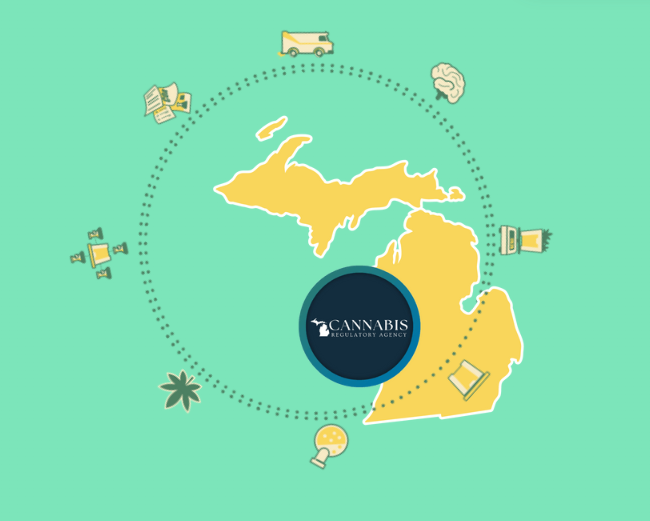
Michigan is known for its unique blend of breathtaking natural wonders, long freshwater coastlines, one-of-a-kind cuisine, numerous music legends, and iconic celebrities.
But there's another thing that Michiganders take pride in: the Great Lakes State is one of the top cannabis markets in the US!
The cannabis industry in Michigan experienced early success and has continued thriving over the years. However, this hasn't been without some challenges.
Let's take a closer look at the Michigan cannabis market to learn how this state has been exceeding expectations since day one and how local businesses have been able to grow in this industry!
The History of the Michigan Cannabis Market
Where did it all start? – Well, it's time to take a short trip back in time!
The history of the Michigan cannabis market dates back to 2008 when the Michigan Medical Marijuana Act was passed.
At the time, polling showed that Michigan voters were fully on board with patients appointing someone to grow their plants at home if they'd be used for medical purposes. However, they weren't supportive of cannabis businesses or the concept of them.
The Michigan Medical Marijuana Act was the starting point of the caregiver system, which was designed to set protections for patients and make sure they had access to their medicine.
Dispensaries started popping up shortly after that. Local municipalities embraced them and gave permits to operators, pushing the emerging cannabis market forward. However, there were no statewide regulations.
Unfortunately, a court case in early 2013 determined that such businesses were essentially illegal despite having local permits. As a result, the Medical Marijuana Facilities Licensing Act (MMFLA) was introduced with the purpose of licensing operators and establishing local controls to handle licensing.
The legalization initiative came to light after the MMFLA was signed into law. In 2018, Michigan officially legalized cannabis after a decisive victory at the polls, and state-licensed sales for recreational use began a year later.
The Start of Recreational Cannabis Sales in Michigan
After laws were passed, many cannabis businesses came out with a bang. What did Michigan operators do to get a heads-up in the market? What was important to nail when legalization occurred?
Cannabis operators had to go through a transition period. Many of them started growing cannabis in the early days and were equipped with extensive knowledge about cultivation or the required equipment. However, legalization came with the need to transition from that to sitting in rooms with VCs and investors.
During this transition period, cannabis operators had the opportunity to talk to people who understood their language. Learning was essential.
Moving to a commercial scale meant that cannabis business owners had to focus on defining their cultivation, equipment, technology, and automation needs and understand the financial landscape. Operators who did that and were able to raise capital were the ones who could take off and reach a certain scale quickly.

Who Joined the Michigan Cannabis Market?
Making a smooth transition was key to the success of cannabis operators, but other factors have also played a crucial role in their growth. Supportive and highly adaptable environments make for thriving businesses, and that's what happened in Michigan.
One of the best things about the Michigan cannabis market is that it's been designed to be as inclusive as possible.Michigan saw more home growers, caregivers, legacy operators, and startup companies emerge over the years. Many of those OG operators leveled up and grew to a larger scale.
The current Michigan cannabis market can be broken down into three primary segments: legacy operators, new Michigander operators, and external parties coming in from out of state.
The New Landscape for Michigan Cannabis
Flexible environments with little to no barriers of entry and freedom of creativity have historically been associated with better economic performance. Michigan is a clear example of this.
This state is open for businesses. In Michigan, new entrepreneurs can find an opportunity to bring their vision to life. Plus, there's a regulatory body that wants to welcome entrepreneurs with fresh ideas. Operators have the freedom to conjure up the types of products their imagination allows and seek approval to put them out into the customer marketplace.
Michigan’s Real Winner: Cannabis Consumers
Michigan has a solid cannabis industry because it has created a better market. It’s a place where people with an entrepreneurial mindset can start working towards their goals, and this is reflected in the cannabis industry.
As a result, the biggest winner is the consumer! Cannabis operators are free to innovate and have more opportunities to scale their businesses, so they can manufacture more affordable and accessible products of better quality to satisfy customers' unique needs. With good quality products sold at a reasonable cost, the state has also been able to curb illicit market sales.

How Cannabis Business Operators Can Continue to Grow in Michigan
After a long history of success, cannabis operators have to focus on another important thing: how can they continue to grow in this industry?
There's no one-size-fits-all answer. It's always on the operator's side. To succeed in the cannabis industry, you have to make tough decisions.
Every business faces different challenges. Many operators are still trying to choose their niches, while others have already done so but remain under the radar. Therefore, you need to navigate your decisions, analyze data, and stay on par with the changes that take place in the cannabis world in order to grow.
Other aspects play a key role in cannabis businesses' success and are non-negotiable, including the following:
- Understand your market and what is impacting the industry
- Understand your customers and defining who is buying your products
- Analyze your results to know what is appealing to customers
- Demystify data so your aren't afraid of it and can use it to your advantage
- Analyze key data points throughout the supply chain. Focus on the essential ones, such as Cost of Goods Sold (COGS)
- Educate yourself to fully understand laws and obey rules to ensure compliance
The more information cannabis operators have, the better decisions they can make. If businesses rely on data analytics, learn about the market, and leverage the benefits a supportive state like Michigan offers, it'll be easier to maintain success.
Curious for more information on the current State of the Michigan Cannabis market? We recently hosted a webinar with Mike Dilarua (House of Dank,) Randall Buchman (Pleasantrees,) and Robin Schneider (Michigan Cannabis Industry Association) to talk about the Michigan Cannabis Market. Be sure to check out our webinar recording!

Choosing the Right Tools
Whether in Michigan or other states, using the right tools can make all the difference and help cannabis businesses remain successful. When it comes to collecting and analyzing data, helping compliance, and streamlining daily operations, a seed-to-sale software solution may come in handy.

Distru has been designed for this purpose. Our connected software can be a game-changer for cannabis operators who want to ensure innovation, growth, and efficiency. Click here to learn more about Distru’s presence in Michigan! And don’t forget to check out our case study with CHEEF, a local Michigan cultivator, manufacturer, and distributor.