
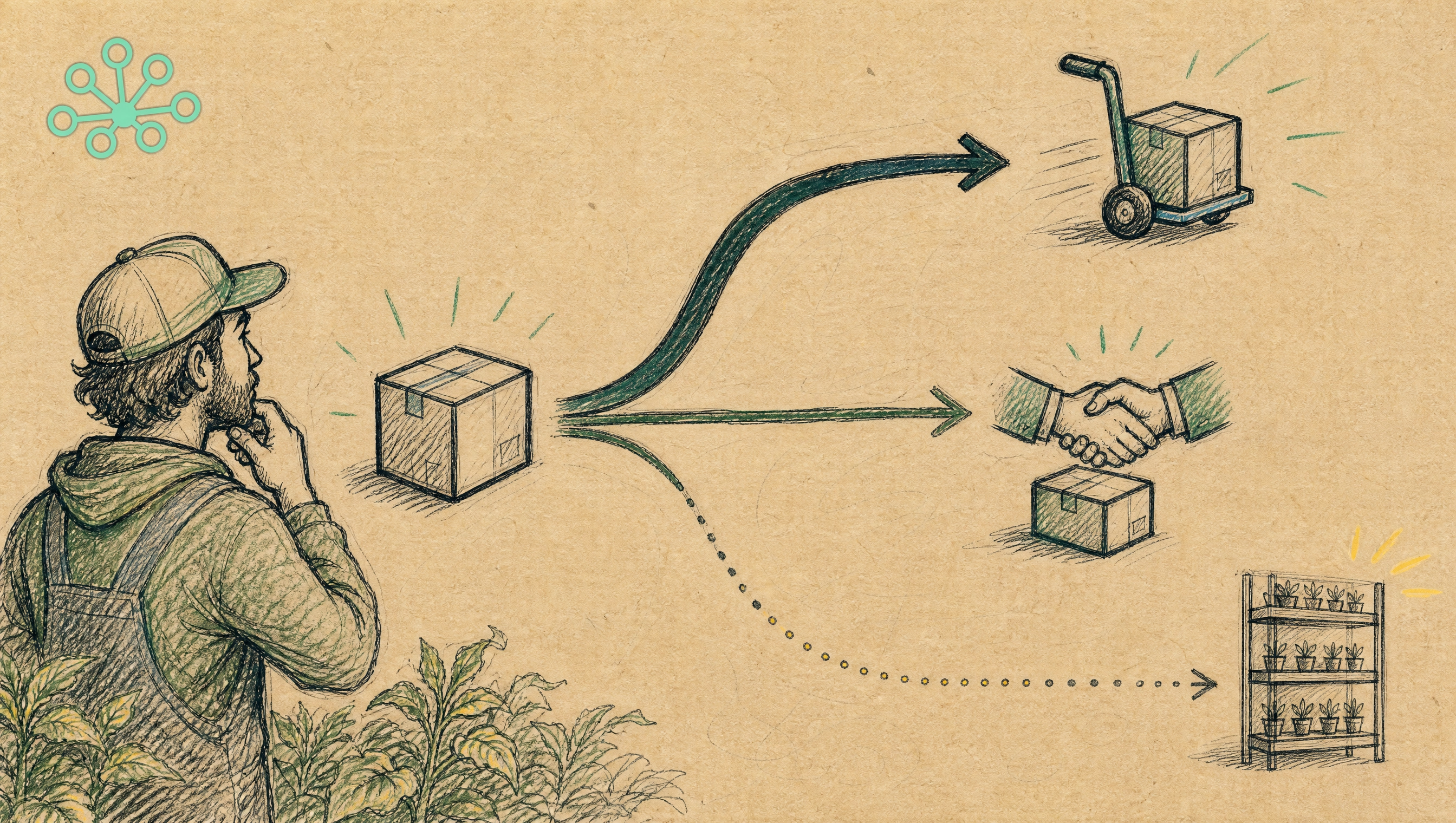
These three words get used interchangeably in cannabis conversations, and that's a problem when you're actually deciding how to get your product onto shelves. Here's what each one actually means, and why the difference matters for a brand making go-to-market decisions.
Distributor: Takes Possession, Handles Logistics
A distributor physically takes possession of your product, holds inventory, and handles the logistics of getting it to retailers. In cannabis, this usually means they're licensed for transport and often for distribution specifically, and they take on the compliance handling that comes with holding and moving product.
What This Means for Your Brand
You give up some control over the final retailer relationship, but you also give up the logistics burden. A good distributor becomes an extension of your sales and fulfillment operation, particularly useful if you're trying to reach retailers across a wider area than your own team can cover.
Wholesaler: Buys and Resells at Scale
A wholesaler typically buys product in bulk and resells it, sometimes to retailers directly, sometimes to other businesses further down the chain. In cannabis, the line between wholesaler and distributor blurs often, since many licensed distributors also function as wholesalers in practice.

Why the Terms Blur in Cannabis Specifically
State licensing structures don't always draw a clean line between these roles the way mainstream CPG does. A single license type might functionally cover both distribution and wholesale activity, which is part of why the terms get used loosely in day-to-day conversation even though they describe different underlying functions.
Broker: Connects, Doesn't Own
A broker never takes possession of the product. They connect your brand with buyers, distributors, or retailers, and earn a commission on the deals they facilitate. This is the lowest-commitment option, useful for testing a new market without building out relationships yourself.
The Tradeoff With Brokers
You get reach without infrastructure, but you also get less direct control over how your brand is represented and less visibility into the actual buyer relationship. A broker's incentive is closing the deal, not necessarily managing your brand's long-term reputation with that buyer the way you would yourself.
How to Actually Decide
The right structure depends on how much control you want to keep versus how much reach you need right now.
If You Want Control, Go Direct or Use a Distributor Carefully
Selling direct to retailers, or working with a distributor you trust to represent your brand well, keeps you closer to the actual relationship and the feedback loop from your buyers.
If You Need Reach Fast, a Broker Can Fill Gaps
Entering a new state or market segment where you have no existing relationships is where a broker's network earns its fee. Just go in with clear expectations about how your brand gets represented.
Whichever Model You Choose, Your Own Ordering Experience Still Matters
Regardless of which structure you use to reach retailers, the moment a buyer actually places an order, whether directly with you or through a distributor's sales team, is where trust either gets built or lost.
Supporting Multiple Structures From One Place
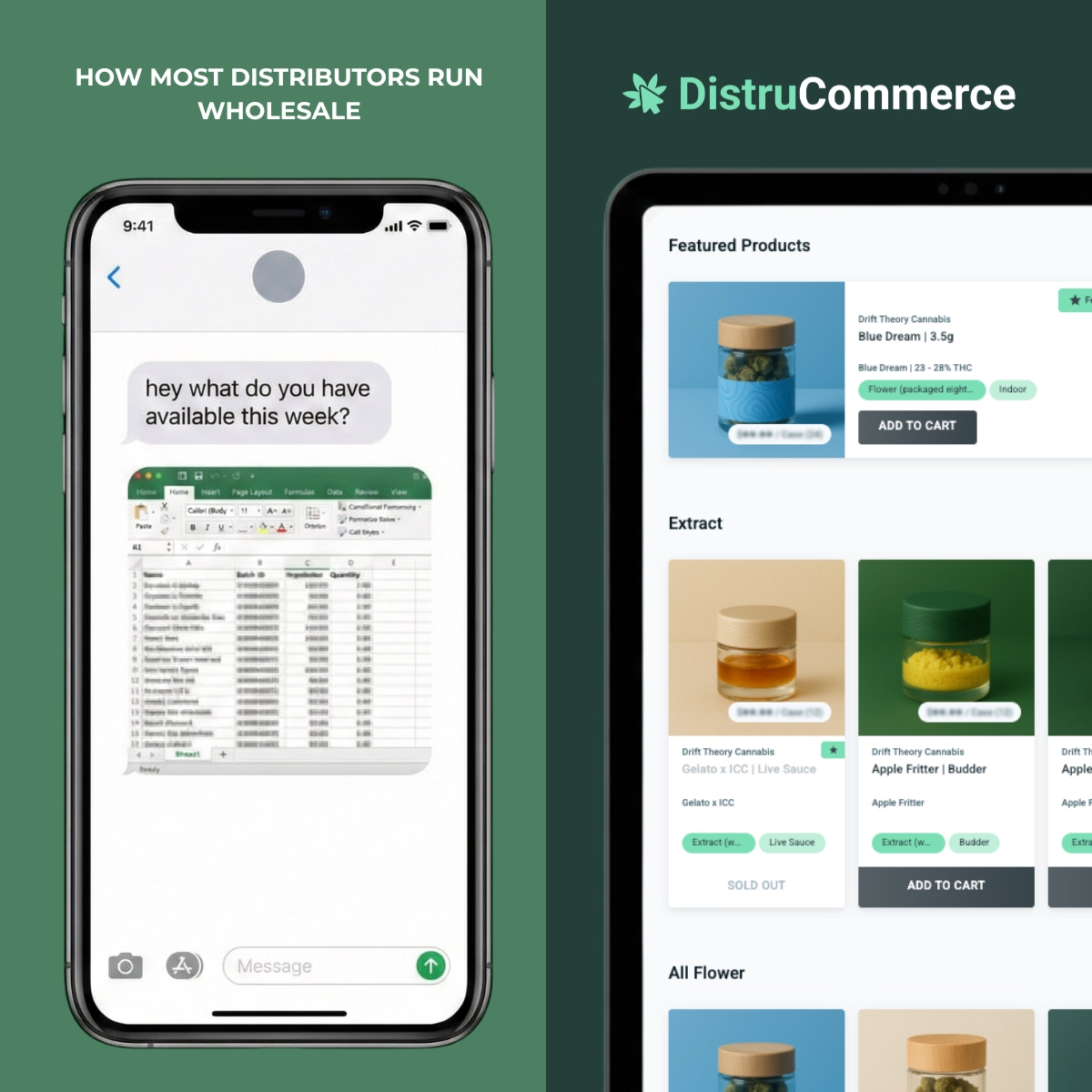
DistruCommerce supports this reality directly: a distributor selling multiple brands can give each brand its own custom-branded menu under one account, rather than forcing every brand into one generic storefront. If you're going direct, your own branded menu, backed by live inventory, is what retailers actually judge your operation on when they place that first order.
A Practical Next Step
Map out which of these three roles each of your current retail relationships actually falls into. Brands are often surprised to find they're relying more heavily on one structure than they realized, which is worth knowing before your next expansion decision.
Using More Than One Structure at Once
Most established brands don't pick just one of these models and stick with it exclusively. They blend them deliberately based on the market.
Direct in Core Markets, Broker in New Ones
A common pattern is going direct or working closely with a trusted distributor in states where you have real infrastructure and relationships, while using a broker to test a new state before committing to build out a full presence there.
Revisit the Mix as You Grow
The right structure for a brand's first year is rarely the right structure for its fifth. Revisit this deliberately as you scale, rather than letting whatever structure you started with become permanent by default.
Want to see how a distributor or brand sets up its own branded menu? Explore DistruCommerce.


