

This bulletin for Metrc (Unspecified) is a documentation-style notice explaining that the “Example Domain” is intended only for examples and should not be used in real operations. Below, we translate what that means for cannabis licensees using Metrc, why it matters for compliance recordkeeping, and how to avoid operational mistakes that can create audit risk.
What the Metrc bulletin is saying
The bulletin content is brief and communicates two core points:
- The domain is for documentation examples, meaning it exists to demonstrate formatting or links in training materials without requiring permission.
- Avoid using it in operations, meaning it should not appear in real SOPs, production systems, live integrations, or compliance records where accuracy and traceability matter.
The bulletin includes a reference link: Learn more.
Why “example” content can create real compliance risk
In regulated cannabis environments, placeholder or sample data can unintentionally end up in production workflows. Even though this bulletin is not a typical Metrc feature update, the operational message is directly relevant to compliance: anything used in live operations should be accurate, current, and tied to your actual license, locations, and inventory activity.
If “example” content gets copied into a live process (for instance, into an integration setting, internal forms, or training SOPs that staff follow), it can cause:
- Data integrity issues that complicate audits and investigations
- Misconfiguration in connected tools (e.g., webhook endpoints, API documentation references, internal portals)
- Process confusion where staff can’t distinguish training steps from production requirements
Practical implications for day-to-day cannabis operations
Keep training materials separate from production workflows
When you train staff on Metrc processes (receiving, transfers, package adjustments, harvests, sales reporting), ensure any screenshots, URLs, or example references are clearly labeled as training-only and are not embedded in production systems.
Review SOPs and templates for placeholder text
Many compliance issues start with “template drift,” where an early draft becomes the final SOP without removing sample fields or example links. Periodically review SOPs, label templates, and internal forms for placeholder language such as “example,” “test,” or non-operational URLs.
Validate technology configurations
If you use third-party tools alongside Metrc, confirm that integrations, notifications, and system links point to your real operational endpoints and approved resources. This reduces the chance of failed reporting, broken workflows, or staff relying on non-authoritative references.
How this bulletin supports audit-ready compliance
Even simple notices like this reinforce a broader compliance principle: only use authoritative, operationally accurate information in regulated records and systems. During an audit, regulators and internal QA teams often look for consistency across:
- Inventory records and corrections
- Transfer documentation and chain of custody
- Packaging and labeling controls
- System access, training, and change management procedures
Ensuring “example” content stays in training materials helps protect the reliability of those records.
Metrc Retail ID compliance and labeling support
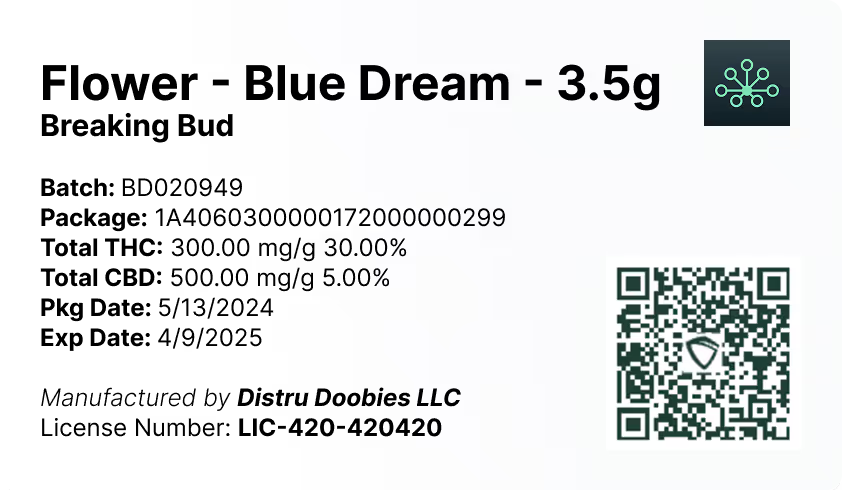
While this bulletin focuses on avoiding non-operational placeholders, the same discipline applies to labeling: production labels must reflect real, compliant identifiers, not sample text. DistruLabels is a 100% free tool that helps operators create compliant packaging and retail labels, including workflows that support Metrc Retail ID requirements by generating accurate, scannable labels tied to real inventory and retail items.
When larger teams should consider DistruERP
For multi-department or multi-site operators, preventing template drift and placeholder leakage often requires stronger system controls. DistruERP is Distru’s comprehensive Cannabis ERP platform designed for larger operations that need complete supply chain management across purchasing, production, inventory, sales, fulfillment, and compliance workflows.
Key takeaway for operators
Treat the bulletin as a reminder to keep “example” resources in documentation only. In live Metrc operations and related compliance workflows, use only real license data, real identifiers, and finalized SOPs to maintain audit-ready records and reduce preventable errors.


