

This Metrc (State Not Specified) bulletin uses the “Example Domain” reference to clarify that certain web domains and placeholder resources are intended only for documentation or training examples and should not be used in live cannabis operations. Below is what this means in practice for compliance-focused teams, including how to prevent placeholder content from impacting Metrc workflows, packaging/labeling, and recordkeeping.
What the bulletin says in plain language
The bulletin explains that the “Example Domain” is reserved for use in documentation examples without needing permission, and it specifically cautions operators to avoid using it in real operations. The bulletin also provides a reference link for additional context: Learn more.
Why this matters for Metrc compliance
Even though the bulletin content is short, the compliance takeaway is important: placeholder or “example” values must stay in training materials and should never appear in production systems. In cannabis operations, placeholder content can create audit confusion, break integrations, or result in incorrect records that are difficult to reconcile during inspections.
Common places placeholder content can accidentally appear
- Metrc integration settings (API endpoints, webhook URLs, or callback URLs accidentally set to non-operational example values)
- SOPs and training documents that staff later reuse as “live” instructions without replacing the example data
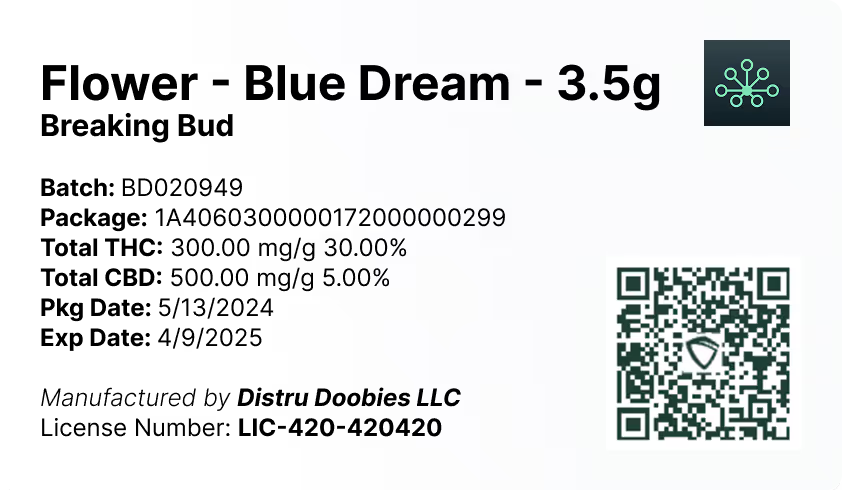
- Label templates and packaging copy where example text, sample QR destinations, or test identifiers are left in place
- Internal forms for transfers, manifests, or inventory adjustments that include example values and get copied into real records
Practical implications for day-to-day cannabis operations
For day-to-day teams, the operational goal is simple: keep test/training artifacts separate from production workflows. If your team maintains separate environments (training vs. live), ensure only approved production settings and real business data are used when recording regulated activities.
Inventory, transfers, and record accuracy
Errors caused by copied “example” data can lead to time-consuming corrections, especially when they touch regulated records. For example, a misconfigured system link or reused template can cause delays in completing transfers, confusion in documentation, or inconsistent records that require management review before submission or retention.
Packaging and retail labeling implications (Retail ID readiness)
Operators should be especially careful with packaging and retail labels, where templates are frequently reused. Placeholder text or example identifiers can create labeling inconsistencies that are hard to detect until product is already packaged or at retail. Maintaining clean, production-ready templates helps support accurate identifiers and reduces rework.
Using DistruLabels to support compliant labeling
DistruLabels is a 100% free tool for creating compliant packaging and retail labels. It helps teams standardize label outputs and reduce the risk of leaving placeholder content in production label templates, while also supporting smoother workflows for Metrc Retail ID compliance by keeping label data organized and consistently generated.
When to consider DistruERP for full supply chain control
For larger operators or multi-site businesses, DistruERP is Distru’s comprehensive Cannabis ERP platform designed for end-to-end supply chain management. It helps centralize inventory, purchasing, production, sales, and compliance workflows so teams can reduce manual re-entry and better control the operational pathways where “example” data and template drift commonly cause compliance issues.
Bottom line for operators
This bulletin’s core message is a governance reminder: documentation examples are not operational inputs. Keep example domains, placeholder text, and sample values confined to training materials, and ensure production systems, labels, and compliance records reflect only real, current, state-appropriate operational information.


