Understanding DC Recreational Cannabis Laws
Did you know that it's perfectly fine to have cannabis, enjoy it (privately), grow it, and even share it with your friends if you're in Washington, DC.? That's all thanks to Initiative 71, which legalized marijuana for personal use in the District of Columbia.
The thing is that while DC recreational cannabis laws permit the possession and cultivation of weed, selling it isn't considered "legal" in the traditional sense.
How do you get cannabis if you can't actually buy it then? The answer lies in DC's unique "gifting economy." Initiative 71 established that you can transfer up to an ounce of marijuana to another adult, as long as no money, goods, or services change hands.

Such a small detail has created an entire market where you can see shops "gifting" cannabis to those who buy something, like a sticker or a piece of apparel. No direct sales, but everyone leaves happy.
This loophole dominates DC's cannabis industry, making it different from states that operate under traditional retail models. But even with these complex rules, the market is booming. In June 2025 alone, sales surpassed an impressive $90.95 million (Headset has the receipts), bringing great opportunities for businesses to grow and succeed.
Sounds promising, right? We know that just trying to understand DC marijuana regulations is a source of stress for many, but having compliance software like Distru can be a game-changer. Ready to learn more? Let's dive in!
Current DC Recreational Cannabis Laws and Regulations
Kicking things off, we'll answer the biggest question on everyone's mind: What are the current laws regarding recreational cannabis in Washington, DC? Essentially, most rules focus on three aspects: how much marijuana you can carry, where you can light up, and how you actually get it. We'll dig into the details below.
DC Cannabis Legal Framework Overview
First up, how does the legal status of cannabis in DC differ from federal law? It's a bit of a head-scratcher because there's an important discrepancy between the two, weed remains illegal at a federal level, but DC has fully legalized it for both medical and recreational use.
Back in 1998, Initiative 59 passed, letting people with serious health conditions access medical cannabis. By 2013, dispensaries in Washington, DC started serving them legally. Today, registered patients and their caregivers can hold up to 2 ounces (or 4 ounces, if approved).
Then came recreational cannabis through Initiative 71, but what exactly is it?
Initiative 71 is a voter-backed 2014 measure that went into effect in 2015, making it legal for people over 21 to possess small amounts of marijuana and consume it on private property. However, this legislation explicitly bans sales, meaning no dispensaries can legally sell recreational weed in DC.
Possession and Personal Use Limits
Another common inquiry is: Are there any restrictions on the amount of cannabis someone can possess in DC? And yes, there are. Initiative 71 caps it at 2 ounces maximum for personal use, but you must be 21 or older. If you're out and about and found with it, you might need to show your ID as proof of age.
Now, where can you actually use that cannabis?
To sum up, you should avoid any public space or place where the public is invited, which may include:
- Streets, alleys, and sidewalks
- Restaurants, bars (even those cool hookah and cigar lounges), and coffee shops
- Federal areas, such as monuments, public parks, and the Metro system
Of course, you can't be impaired while driving a vehicle or operating a boat either. Actually, you can't even consume it if you're a passenger. Your only legal option for consumption is on private property. And this applies to everyone, whether you live in DC or are just passing through.
Home Cultivation Rights
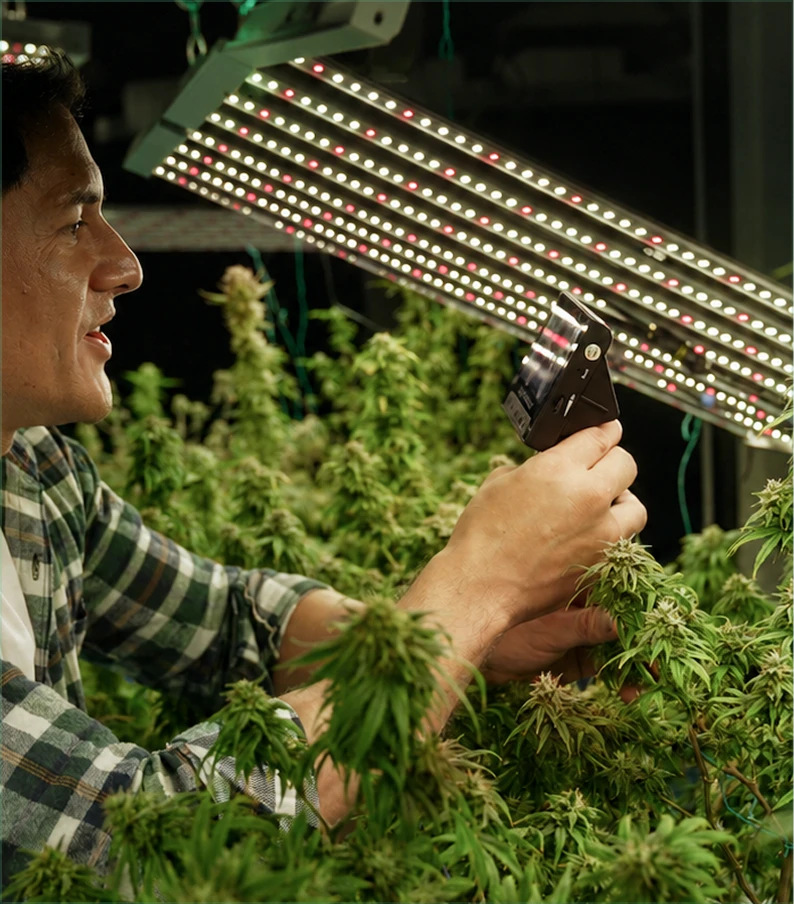
Under DC recreational cannabis laws, you're allowed to grow up to six marijuana plants at a time. Where, you ask? Once again, not out in public, but only at your primary residence.
You should also keep your cannabis plants:
- Hidden from public view (no balconies, porches, or spots visible to passerby)
- Away from government-owned property
- 1,000+ feet from schools, daycares, playgrounds, libraries, and public housing
- Locked away from minors (people under 18)
If someone walking on the sidewalk or a neighbor can easily see your grow, that would be considered a violation of the law. Also, no more than three of your six plants should be mature (flowering) at once, and you can't grow them for commercial purposes. This is strictly for personal use.
One thing to bear in mind: While home grow is legal in DC, landlords can ban cultivation. Even if local law allows it, your lease might not. Always double-check your rental agreement!
DC's Cannabis Gifting Economy
Growing and using cannabis? Both are okay. Selling? It's still illegal. So, how to buy weed in DC if sales are banned? As we mentioned before, it comes down to the local gifting economy. Let's pull back the curtain on how it works and what you should know to stay compliant.
Understanding the Gifting Model
In DC, cannabis delivery services and retail shops can't "sell" weed, not under federal law, not under Initiative 71. This legal distinction, coupled with a long-standing blockade in Congress, means traditional adult-use dispensaries can't be set up like in other states.
To get around it, people have gotten creative, leveraging the loophole that allows them to "gift" cannabis to others.
Yes, you can transfer marijuana to another person and call it a "gift," and it'd be completely legal, as long as:
- It's just one ounce or less.
- It isn't for commercial gain.
- You get no money, goods, or services in exchange.
- The recipient is at least 21.
This is the foundation of DC's famous "gifting economy," where most recreational cannabis transactions occur. The concept is simple: businesses sell a legal product or service (art, t-shirts, or even consulting time) and then "gift" you cannabis as a complimentary item.
For example, suppose you buy a piece of art for a certain price, and with it comes a "free" gram of flower as a bonus or thank-you for your purchase. The cannabis you get isn't sold, it's a gift.
Many brick-and-mortar storefronts (looking a lot like traditional dispensaries) and even pop-up events operate under the "gifting" model. The price of the products they offer typically covers the cost of cannabis, and it's usually higher than in fully regulated recreational markets elsewhere due to the legal ambiguity and the added cost of the "merchandise" to facilitate the "gift."
And what products are available at DC's "recreational dispensaries"? These "gifts" aren't just limited to flowers. You can often find infused edibles, like gummies, chocolates, or baked goods, as well as concentrates like vape cartridges, wax, shatter, and oils.
But keep in mind that the availability and legality of cannabis products in DC are also subject to strict regulations.
Compliance Considerations for Operators
Running a gifting shop in DC? You're in a gray zone. While unregulated, you must prove you aren't directly selling cannabis. That's why having detailed records of your operations is non-negotiable.
You should document every item sold and how/why the cannabis was "gifted." Without clear and auditable trails, you open yourself up to significant legal risk.
This is where seed-to-sale software like Distru becomes essential. Our solution helps you track every gram of cannabis, from inventory intake to the moment it's gifted, equipping you with all the records you need to demonstrate compliance with Initiative 71's gifting model.
Imagine manually logging thousands of "gifts" and transactions. It's messy, risky, and unsustainable, a recipe for headaches and potential legal trouble. Fortunately, with Distru, you maintain transparency and accuracy, so your operations stay on the right side of DC's regulations.
DC Cannabis Events and Community Engagement
Even though DC recreational cannabis laws create a pretty complex legal environment, there's a surprisingly strong cannabis culture here. Many events and initiatives spark connections throughout the year, shaping the market and offering tons of ways for enthusiasts to learn, network, and engage. Here's how this community comes alive beyond the gifting shops.
Popular Cannabis Events in Washington, DC
In DC, cannabis events and festivals bring people together throughout the year. These come full of fun but are also a chance for education.
Experts and official bodies often host workshops and seminars designed to help people understand the intricacies of the legal cannabis environment. For example, the Alcoholic Beverage and Cannabis (ABC) Board, which oversees the Alcoholic Beverage and Cannabis Administration, holds publicly accessible meetings three or four times per month to discuss those regulations and policies that govern both fields.
You'll also find bigger gatherings here, including:
- The National Cannabis Industry Association's in-person advocacy event, which unites industry leaders pushing for reform
- The National Cannabis Festival, which celebrates the culture and education surrounding the cannabis industry every year
These events offer incredible opportunities, you can network with growers, advocates, and other business owners, and you have plenty of chances to learn about cannabis cultivation, safe consumption, and even important social issues.
Building Community in DC's Cannabis Culture
Although tricky, many other ways to build community exist beyond the big DC cannabis events.
Unlike some states with fully regulated markets, there are no licensed public consumption lounges here. Some entrepreneurs have opened private membership clubs, allowing cannabis use on-site without direct sales, but it's important to remember these operate in a "gray area" with inherent risks.
As we explained above, while you can legally possess and receive marijuana gifts in DC, consuming cannabis publicly is strictly prohibited.
However, the community spirit thrives through various advocacy groups that work to influence future laws and promote responsible cannabis use, both in DC and nationally. You'll also find professional associations, such as:
- The District of Columbia Cannabis Business Association (DCCBA)
- The National Organization for the Reform of Marijuana Laws (NORML)
- The American Trade Association for Cannabis and Hemp (ATACH)
These organizations share expert insights and best practices, push for reform, and create networks that are essential for fostering connections in such a complex legal landscape.
Legal Considerations and Compliance for Operators
If someone wonders where they can find recreational cannabis dispensaries in DC, it'll be hard to tell them because they just don't exist here. Not legally, at least.
As we've mentioned, what you'll find are "gifting shops" where you can get cannabis as a complimentary thing when buying t-shirts or posters.
While these storefronts rely on a "gifting model" that isn't fully regulated in the traditional sense, their operations still demand strict regulatory compliance to avoid legal trouble. Let's break down what that means for you.
Business Licensing and Permits
Since direct recreational sales aren't permitted, DC doesn't have a licensing system for them. Most businesses that "offer" cannabis, remember, it's a gift, typically operate under standard business licenses, bending around Initiative 71 and federal laws.
Any business license you do pursue requires a lot of paperwork, permits, tax IDs, zoning approvals, and more. No matter the type, the application process will be rigorous and time-consuming.
This is where Distru may come in handy. Applying for a license can feel like prepping for a big exam, you need every answer ready before you walk in. And our solution helps you out.
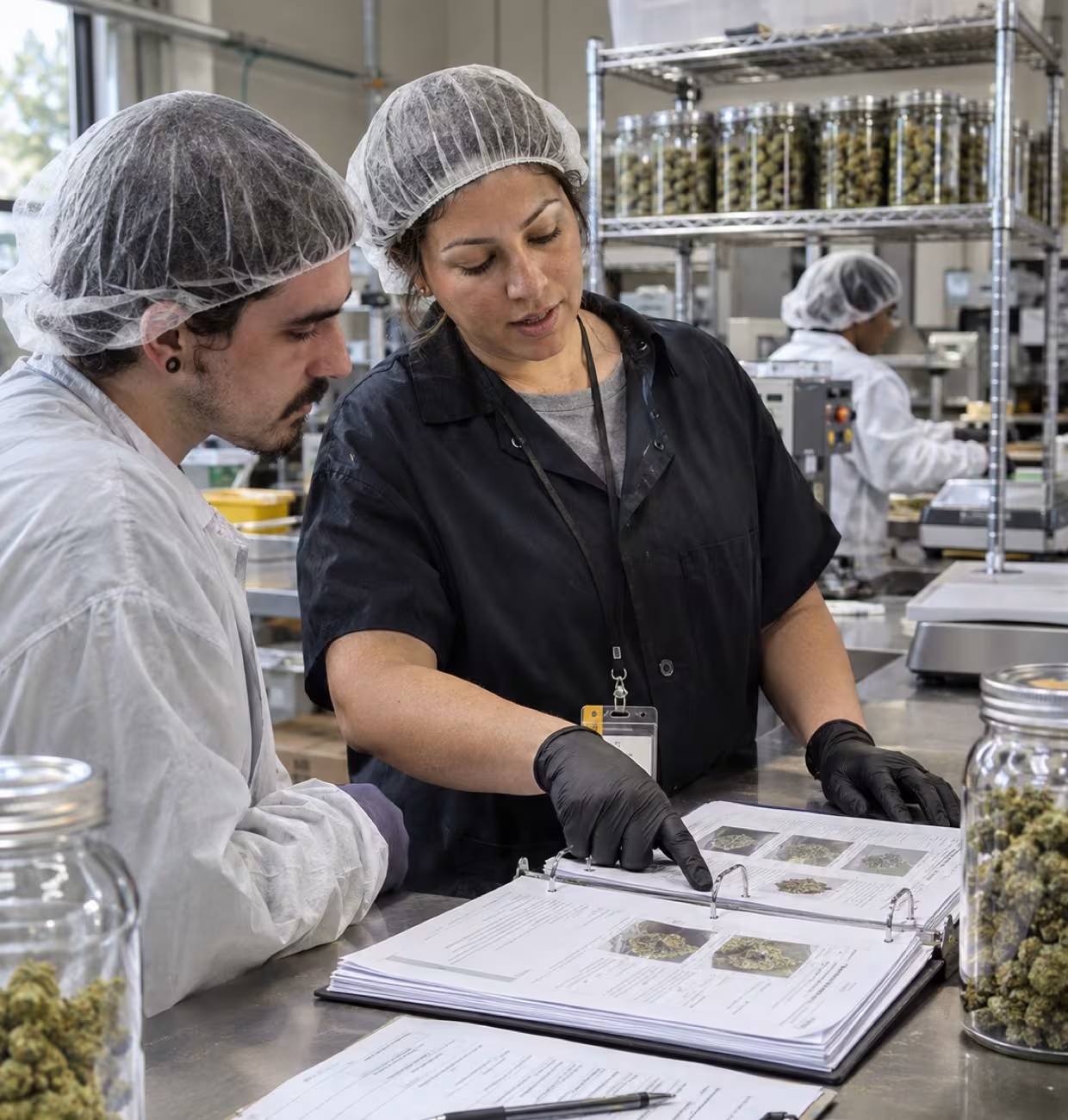
Distru generates, maintains, and organizes all the records required for this process, from inventory data to audit trails, so when regulators knock, you're not scrambling.

Operational Compliance Requirements
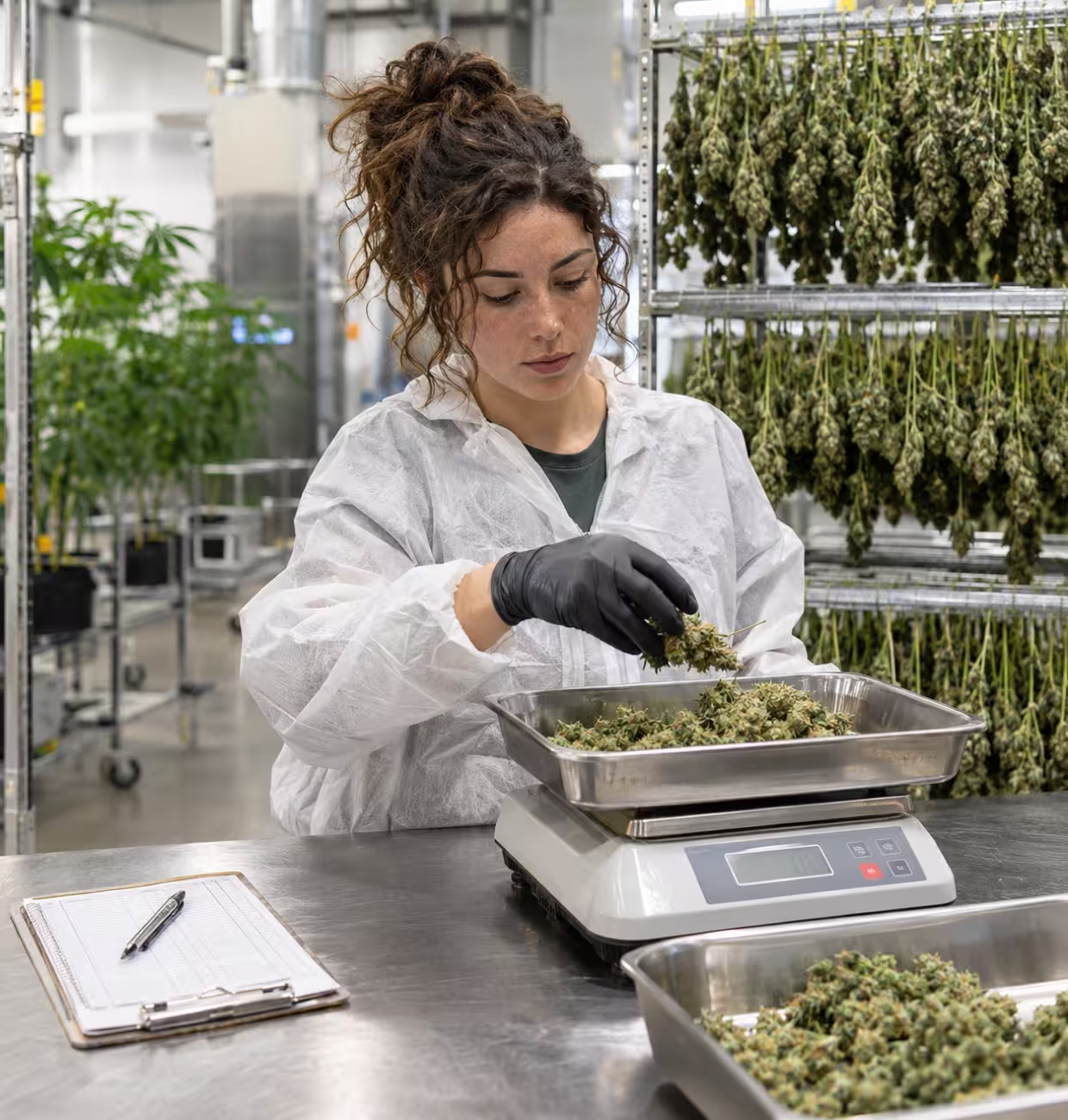
Once you start operating, every gram of cannabis must be tracked and accounted for. Every. Single. One.
Even if you're "gifting" cannabis, you still need to know exactly how much of it you have and where it is. So, you must keep records for every "gift," every sticker sold, and every dollar earned. That's why the best dispensaries in DC use seed-to-sale software like Distru.
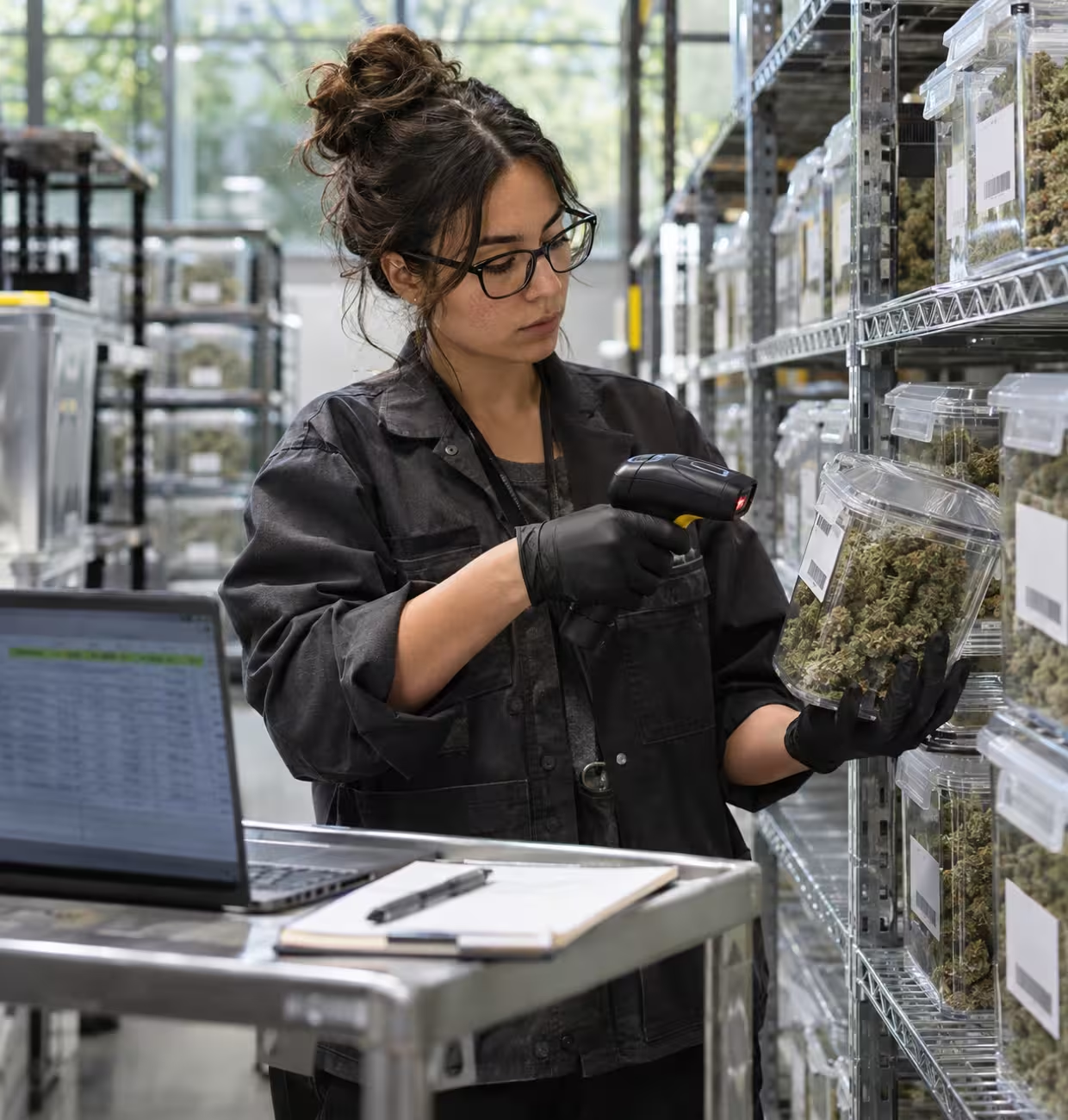
Our solution monitors your inventory from start to finish, that means from the moment it enters your stock to the point it's gifted. You get real-time visibility into it, so it's easier for you to manage supply, identify any discrepancies, and generate accurate reports.
Distru's seed-to-sale software helps you track every product and transaction in the cannabis supply chain, but its capabilities extend beyond that.
As we explained earlier, gifting shops typically sell items like stickers, art, or t-shirts as the primary transaction. Distru can manage both your cannabis and non-cannabis inventory, giving you a unified view of your entire stock.
Also, all the products you sell and the "gifted" cannabis are tied to taxable transactions. Distru's integrated system ensures you never lose sight of cash flow, maintain compliance with your tax obligations, and have tax-ready financial reports to keep your operations transparent and auditable.
Risk Management and Legal Protection
Running a cannabis-related business in DC comes with its share of challenges. You must comply with all applicable laws, particularly Initiative 71.
Any misstep can lead to severe consequences. If you violate Initiative 71's limits regarding possession, age checks, public use, and "sales" disguised as gifts, you may be subject to penalties that range from fines to misdemeanors, or even jail time.
Besides the unique cannabis-specific issues, there are also the usual risks any business faces, such as the potential for accidents or product liability.
You need to protect yourself, so:
- Hire a cannabis-savvy lawyer, don't DIY the law.
- Get specialized insurance (product liability, theft, and property damage).
- Audit monthly to catch small errors before they become felonies.
The Future of DC's Recreational Cannabis Market
DC recreational cannabis laws aren't set in stone. Rules shift, pivot, and evolve, sometimes overnight. What works today might not fly tomorrow, and these changes don't just tweak regulations but reshape the future of the market. So, what's coming next? Let's explore the horizon.
Regulatory Evolution and Trends
Right now, Initiative 71's "gifting" provision keeps the market alive, but the city isn't looking the other way anymore. DC is actively pressuring unregulated gifting shops to either close or transition into licensed medical cannabis dispensaries.
Advocacy groups keep pushing harder for full local legalization and federal reform. If that happens, everything may change again.
For example, medical dispensaries already use Metrc, the mandated seed-to-sale tracking system, to report every cannabis-related transaction and track marijuana from cultivation to sale.
If fully legalized, recreational shops would likely follow and be required to comply with mandatory Metrc reporting. This will also open doors for significant market growth and expansion possibilities. Barriers may fall and investments may surge, meaning no more gray zones for recreational dispensaries in Washington, DC.
Business Opportunities and Growth
Despite the complex regulatory landscape, the DC cannabis market is exploding, and innovation is behind this growth. Shops aren't just "gifting" traditional flowers. Many of them offer other products, some of them quite specialized.
Beyond the product diversification, advocacy groups and cannabis enthusiasts continue to push for legalization and broader acceptance, unlocking even bigger opportunities. This ongoing effort is motivating more investment and even expanding access to banking, which is currently limited due to federal illegality.
Technology is also emerging to meet the market's unique needs. More and more solutions are being created to address the complexities of cannabis operations in DC for both medical and recreational use. Distru is a prime example of this.
Our software is designed to provide the essential infrastructure you need for every part of your operation, from inventory management to compliance, helping your business grow and transition smoothly as regulations change.
Conclusion: Navigating DC's Recreational Cannabis Landscape
As you can see, DC recreational cannabis laws are quite complex. The reality of Initiative 71 is a "yes" to possessing, cultivating, using, and even sharing it, but a "no" to sales.
But here's the good news: complexity doesn't mean opportunity is dead. You just have to understand how these rules shape your business. So, stay sharp, watch for regulatory shifts, listen to advocacy voices, and never stop learning, this is what it takes to thrive here.
And when it comes to compliance? Don't wing it. Tools like Distru turn legal headaches into simplified workflows by tracking gifts, inventory, and taxes in one place.

Are you ready to simplify your operations and ensure you're always on the right side of DC's cannabis regulations? Schedule a demo with Distru today and get the confidence you need to succeed in this market.