

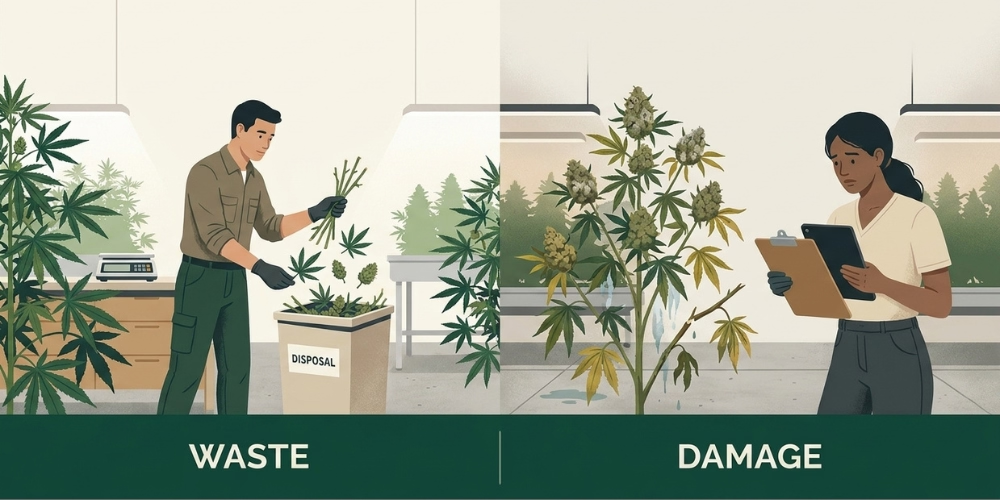
The short answer: in Metrc, damage is what happened to a product (an accident made it unsellable), and waste is what you do with it (record it and destroy it under your state's rules). Most states don't even have a reason called Damage, so damaged product usually leaves Metrc through a Waste or Destruction adjustment with a note that explains the damage.
Here's where it gets real. A case of gummies gets crushed on the loading dock. A jar of flower shows mold on the shelf. A budtender drops a tray of carts. Your team opens the Metrc adjustment dropdown, looks for "Damage," and either can't find it or isn't sure it's right. Pick wrong and your audit trail tells a story that doesn't match what happened.
This guide deblurs the waste vs. damage decision: which reason to pick, real examples, how to record each one in Metrc, and the witness and 50% mixing rules that change by state. For the full list of Metrc adjustment reasons beyond waste and damage, see our cannabis inventory adjustment reasons guide.

Waste or Damage? A Quick Decision List
Use this list before you open the adjustment window. It covers most of what operators run into.
Use Waste (or your state's Destruction reason) when:
- The material is a normal byproduct you planned to discard, like trim, stems, roots, or post-extraction biomass.
- Product failed testing, was recalled, or is past its expiration date and has to be destroyed.
- Product is moldy, spoiled, or contaminated and you're destroying it.
- A damaged product is going to be physically destroyed. In most states, this is how damage gets recorded.
Treat it as Damage when:
- An accident made sellable product unsellable: a drop, a crush, a spill, a leak, a broken freezer.
- Your state's dropdown has a damage-specific code. Ohio dispensaries have one, Destruction-Damaged.
- Your state has no damage code. Then you still record it with the Waste or Destruction reason, and the note says it was damaged, how, and when.
The takeaway: damage is the cause, waste or destruction is usually the reason code. Your note connects the two.
What Is Waste in Metrc?
Waste in Metrc is cannabis material that's been removed from inventory to be discarded and destroyed, recorded so regulators can see it left the supply chain on purpose. It's the planned path out of Metrc.
Illinois's Metrc guidance is a good example of how broad it is. Its Waste reason covers bud, shake and trim, pre-rolls, concentrates, recalls where product must be destroyed, and state-mandated destruction. Common examples:
- Harvest and plant waste: stems, fan leaves, roots, stalks, and pruning material.
- Processing waste: post-extraction biomass and residue from a production run.
- Failed or recalled product: batches that failed compliance testing or are under a recall.
- Expired or spoiled product: edibles past their date, moldy flower, rancid infused products.

What Is Damage in Metrc?
Damage is an unplanned event that makes sellable product unsellable. It's not a byproduct. Something happened.
- Physical damage: a box of gummies crushed in transit, a dropped tray of pre-rolls, vape carts with cracked hardware, a glass jar that shattered.
- Spills and leaks: a leaking cart, live resin on the floor, shatter that got dropped and picked up debris.
- Contamination during handling: an open container of flower exposed to dust or moisture on a delivery vehicle.
- Facility incidents: a leaking pipe or a freezer failure that spoils product.
Here's the catch. Damaged product almost always ends up being destroyed, so it ends up following the waste path. That's why so many states fold damage into their Waste or Destruction reason instead of giving it a separate code.
What Are the Metrc Adjustment Reasons for Damage?
It depends on your state, because each regulator sets its own adjustment reasons in Metrc. Some have a damage-specific code. Most route damaged product through Waste or Destruction and expect the note to explain the damage. Here's how five states handle it (checked Oct 2026):
Ohio: Dispensaries have a Destruction-Damaged code. If the damaged product is also expired or recalled, Ohio says to use Destruction-Expired or Destruction-Recall instead. Cultivators and processors use Destruction-Waste/Other. Source: Ohio DCC Metrc package adjustment guidance.
Illinois: There's no Damage reason. You adjust with the destruction reason, and the required note covers why it's being destroyed, the method, and the planned destruction date. Metrc's Illinois package destruction bulletin uses warehouse damage as its example note.
Nevada: No separate damage reason either. Damaged product goes through Package Destruction/Waste, which has to be reported the same day it's physically destroyed.
Maryland: The current list has Waste and Spoilage but no Damage code.
Oregon: Metrc's Oregon guide lists Waste and says the note must document the exact time and method of destruction.
So if you searched for "the" Metrc damage reason, the honest answer is that there usually isn't one. Open your dropdown, use the most specific destruction or waste code your state gives you, and make the note do the explaining.

Examples: Which Reason Fits?
Let's make this concrete with the situations operators ask about most.
Damaged packaging, product intact. If the jar cracked but the flower inside is fine, you may not need a loss adjustment at all. Check whether your state lets you repackage, record the new package in Metrc, and only adjust out what's actually unsellable.
Mold on finished flower. This is waste or destruction, not a sales loss. If it failed a compliance test, use a failed-testing code where your state has one (Ohio's is Destruction-Failed Testing). Otherwise use Waste or Destruction and note what you found and when.
Contamination in transit. If you catch it at receiving, consider rejecting the package on the incoming transfer instead of accepting it and adjusting later. If it's already in your inventory, destroy it under the Waste or Destruction reason and note the delivery and what happened.
Dropped or crushed units. Classic damage. In Ohio dispensaries, Destruction-Damaged. Elsewhere, Waste or Destruction with a note like "4 units of 100mg gummies crushed when a case fell from the top shelf on 10/14/2026, destroyed per SOP."
Expired product. Use Spoilage where it exists (Illinois, Maryland, Nevada) or Destruction-Expired in Ohio. Expiration isn't damage, even if the product looks fine.
Missing product. If it's gone and you don't know why, it's not waste or damage. That's an unexplained variance or possible theft, and it follows a different path covered in our inventory adjustment reasons guide.
How to Record Waste and Damage in Metrc
Metrc gives you three main ways to take material out of inventory: adjust a package, record plant or harvest waste, and create waste packages for disposal. Which one you use depends on where the material came from and what your state requires.
Adjust a Package
This is the usual path for damaged or destroyed finished product.
- Go to Packages, select the package, and click Adjust.
- Enter the quantity you're removing.
- Pick the Waste, Destruction, or Spoilage reason that fits.
- Write the note: what happened, when, the destruction method, and who handled it.
- Submit, then check the package history to confirm the note saved.
Record Plant and Harvest Waste
Cultivation waste is recorded on the plant or harvest, not as a package adjustment. Plant waste goes on the Plants grid's Waste tab, and harvest waste on the harvest's Waste tab. Oregon's Metrc guide lists plant waste reasons like Disease/Infestation, Plant Death, Pruning, and Wrong Sex.
Create Waste Packages and Disposal Transfers
Some states want waste packaged and tracked to a disposal facility. In Metrc's Mississippi process, for example, you create a waste item, package the waste with a tag, send it on a Waste Disposal transfer, and the receiving facility adjusts the package to zero with the Waste Destruction reason after it's destroyed. Check your state's version before you copy it.
.avif)
Witness and 50% Mixing Rules by State
Before waste leaves your facility, most states want it rendered unusable, and some want witnesses or video. These rules change a lot from state to state. Here are four examples (checked Oct 2026):
Michigan: Waste has to be rendered unusable and unrecognizable through grinding or another approved method, then mixed so the result is at least 50% non-marijuana waste. Rendered waste must be recorded in the statewide monitoring system, which is Metrc. Source: Mich. Admin. Code R 420.211.
Massachusetts: Waste is ground and mixed with other organic or solid waste so it's unusable for its original purpose. At least two agents have to witness and document the process, and the electronic record includes both names and signatures. Source: 935 CMR 500.105.
California: Batches that fail or are rejected must be rendered unusable before disposal, under video surveillance (with limited exceptions for some cultivation sites), and the reason and disposition are noted in track and trace. Source: 4 CCR § 17223.
Illinois: Metrc's Illinois bulletin says to label waste with the source package tag, amount, and waste date, then hold it in quarantine for 72 hours before destruction.
Your state may also require advance notice, a specific mixing material, or a licensed waste hauler. Treat these four as patterns, not your checklist.
How Long Should You Keep Waste and Destruction Records?
Keep them at least as long as your state requires, and longer if you're under any enforcement action. Massachusetts sets a minimum of three years and extends it automatically during disciplinary action. Michigan requires records that account for, reconcile, and evidence all waste disposal. Ohio points licensees to its general recordkeeping rule and wants a separate record of every cannabis waste disposal.
A clean record usually includes the Metrc adjustment and note, a waste log with weights and mixing material, witness names and signatures where required, video where required, and hauler or facility receipts.
What Happens If You Misclassify Waste and Damage?
Misclassifying creates a record that doesn't match what physically happened, which is exactly what auditors look for. Recording destruction as an entry error, or adjusting out damaged product with no note, leaves a gap nobody can explain later.
It also skews your own numbers. If damaged product gets lumped in with routine trim, you lose sight of how much you're losing to handling, and that's a real cost hitting COGS.
Recording Waste and Damage Without Double Entry
If your team destroys product, adjusts it in your inventory system, and then repeats the same adjustment in Metrc, every step is a chance for the two records to drift.
Distru, a Cannabis AI ERP with a built-in B2B wholesale marketplace, lets you make the adjustment once. You pick the reason from the same list your state has set in Metrc, add the note, and submit. Distru syncs it to Metrc in real time through its two-way Metrc integration, and nothing reaches the state until your team submits it. Pair that with regular cannabis inventory audits and cycle counts and damaged product gets caught and recorded while the details are fresh.
Tired of second-guessing the adjustment dropdown? Book a Distru demo and we'll show you how waste and damage adjustments flow from Distru to Metrc using your state's reasons. Cleaner records, fewer audit questions.


