Just like how a tiny seedling can sprout into a tall and lush plant, a small cannabis business can grow into a thriving, well-known brand. You just have to take the first step: break into the industry.
If you're in New York, you'll have the opportunity to enter the cannabis market through the front door by securing a microbusiness license.
With a New York cannabis microbusiness license, you can participate in various aspects of the supply chain, from cultivation to retail sales, but on a smaller, more manageable scale.
Are you ready to kickstart your journey through this state's greenest industry? Our guide will walk you through the steps to get your New York cannabis microbusiness license!
Understanding the NY Cannabis Microbusiness License
Before we delve into the legal side of licensing, we have to answer an important question: What is a cannabis microbusiness?
Let's break down the term. "Micro" means small, and "business" refers to an organization or entity that operates within a specific industry. So, a cannabis microbusiness is a small-scale company that is licensed to engage in cannabis-related activities.
New York offers a cannabis microbusiness license to those operators who meet certain requirements regarding the size of their canopy or the amount of cannabis they produce or sell.
This license type has a unique benefit: the ability to conduct a full range of cannabis operations. Simply put, as a licensee, you can perform multiple cannabis-related activities, from cultivation and processing to distribution and sale.
Authorized Activities and Restrictions
While the specifics will depend on the option you choose during the application process, the NY cannabis microbusiness license allows for the following activities:
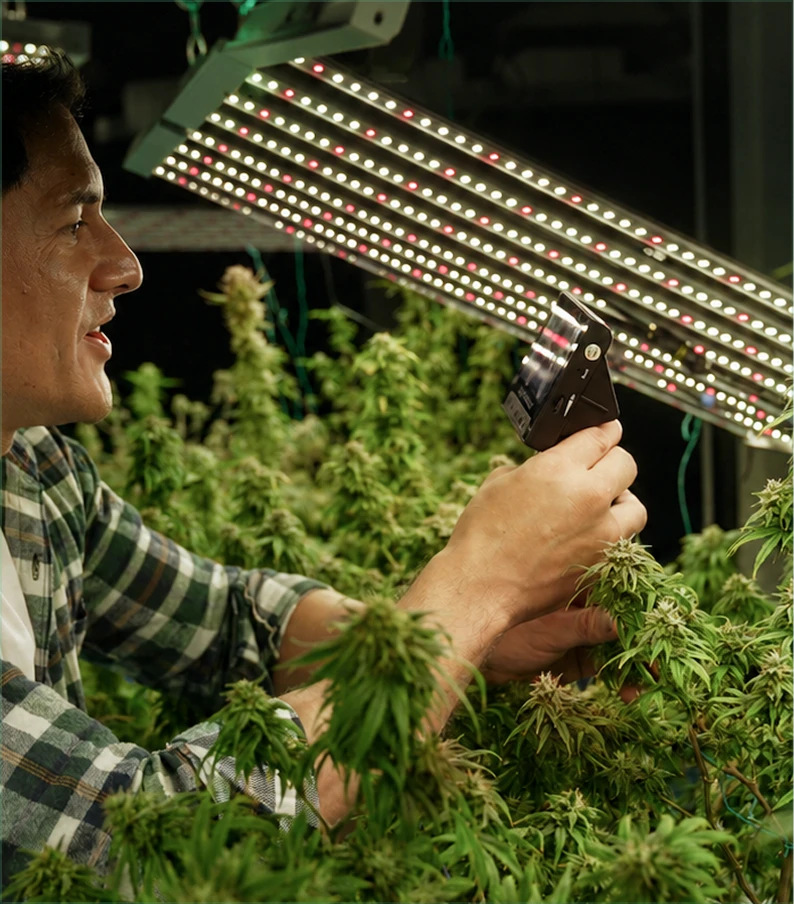
- Cultivation: You're authorized to grow cannabis, but your canopy size is limited to 3,500 ft² for indoors, 5,000 ft² for mixed light settings, and 10,000 ft² for outdoors. If you decide to combine mixed light with outdoors, it'll be restricted to 2,500 ft² and 5,000 ft², respectively.
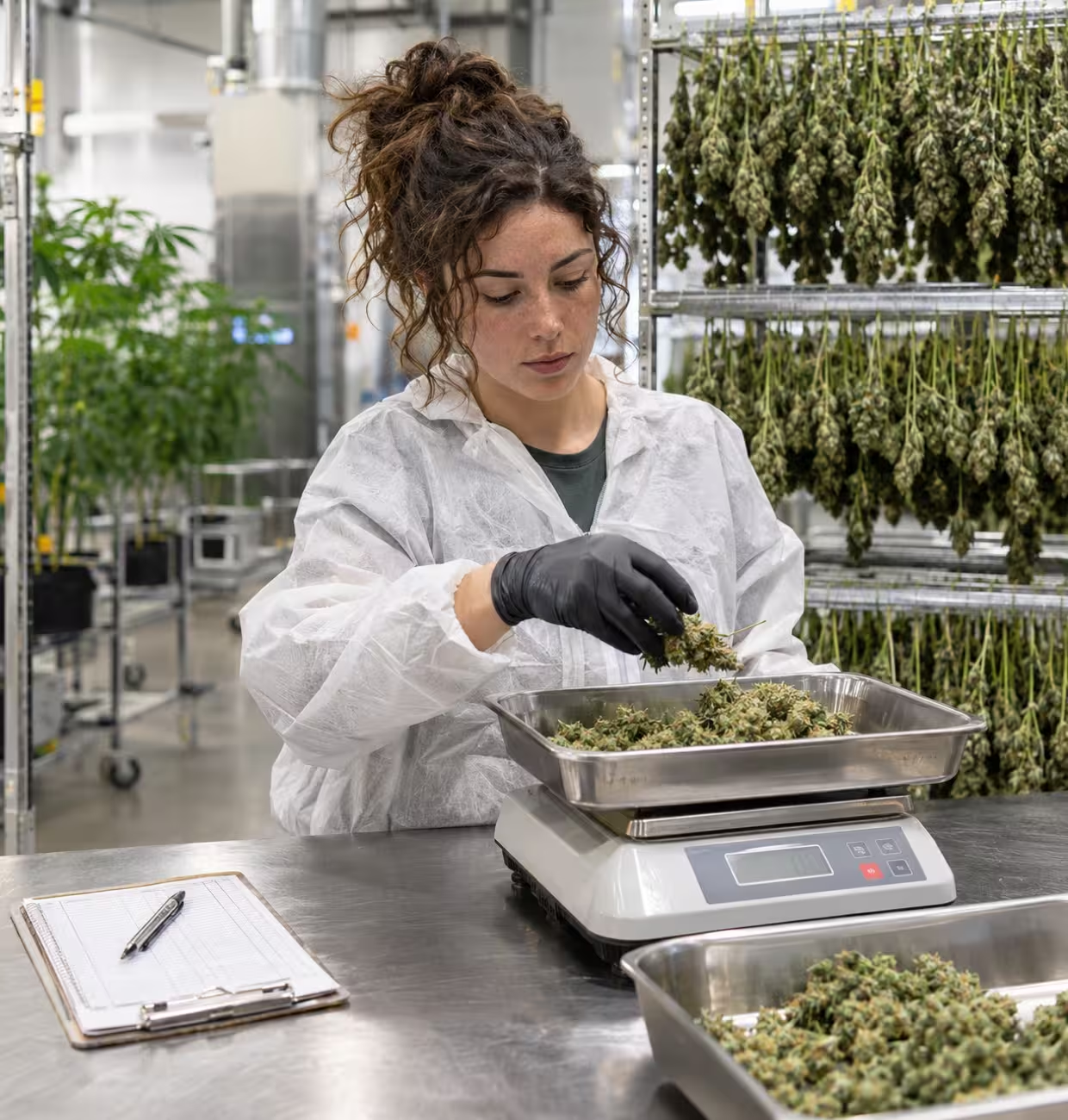
- Processing: You can operate a facility to process cannabis into different products. If you grow all your own biomass, there's no processing limit on that material. However, you're also allowed to purchase up to 500 lbs of cannabis biomass (or a proportional amount of cannabis extract) per calendar year from another licensee, whether it's a cultivator, microbusiness, cooperative or collective, Registered Organization with Dispensing (ROD), or Registered Organization with No Dispensing (ROND). In that case, you can only process up to 1,700 lbs of biomass per year.
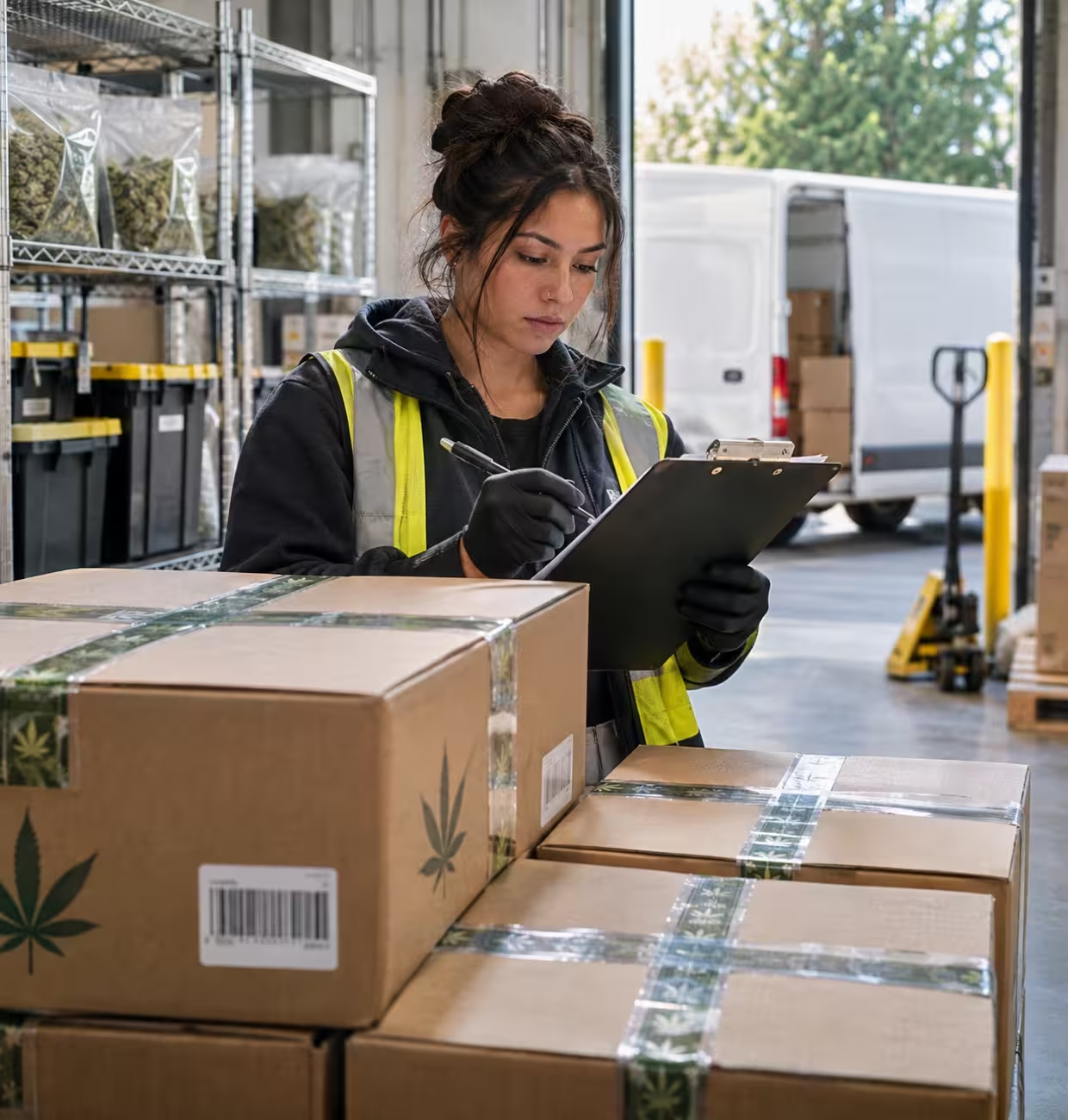
- Distribution: You're permitted to distribute the cannabis products you've produced to retail dispensaries or on-site consumption premises.
- Sales and Delivery: You can sell your cannabis to licensed processors and your self-produced goods to distributors. This license also enables you to sell and deliver cannabis products directly to consumers from your microbusiness retail premises.
- Event Organization: You're authorized to organize and host cannabis events.
The NY cannabis microbusiness license comes with some restrictions regarding ownership, such as:
- License holders must engage in cannabis cultivation and at least one other authorized activity.
- Only passive investors may have an interest in more than one license type that authorizes cultivation, including the microbusiness one.
- Microbusinesses and their true parties of interest (TPIs) cannot have any interest in other licenses, including retail dispensaries, delivery services, or on-site consumption licenses.
- Microbusinesses and distributors cannot share any TPI, except for passive investors.
- No individual or entity may apply for more cannabis licenses than they're legally permitted to hold.
Benefits
If you operate under the NY cannabis microbusiness license, you'll enjoy the following benefits:
- Lower Start-Up Costs: Since microbusinesses require smaller investments than larger operations, you can enter the cannabis industry even with limited capital.
- Social Equity Advantage: New York places a strong emphasis on Social and Economic Equity (SEE) when it comes to cannabis licensing, which brings fair business opportunities to applicants from disadvantaged communities.
- Lower Barrier to Entry: Besides having lower start-up costs, microbusiness licenses come with fewer stringent restrictions and are designed to promote equity in the industry, making them more accessible.
- Focus on Craft Production: Since microbusiness licenses are designed for smaller-scale, craft production, you can have greater control over your operations and prioritize quality over quantity.
Eligibility Requirements
To successfully apply for a NY cannabis microbusiness license, you must meet the following eligibility criteria:
- Be at least 21 years old.
- Be a New York resident.
- Have a clean criminal record.
- Not be prohibited from holding a cannabis license under cannabis law or regulations, TPI restrictions, or non-cannabis convictions stated in Section 137 of New York State regulations.
- Engage in at least two cannabis-related activities, including cultivation.
- Have a Federal Employer Identification Number (FEIN).
- Have proof of control over the property where your microbusiness will operate.*
- Be a formally established business entity.
- Meet the state's location requirements regarding proximity between cultivation and retail facilities.
*If you don't have proof of control over the property, you can apply for a provisional license, which gives you 12 months to submit the required documentation and complete the process.
For more information on eligibility criteria, refer to the Office of Cannabis Management (OCM)'s application guidelines.
Step-by-Step Application Process
Are you ready to apply for a NY cannabis microbusiness license? Here are the steps you need to complete:
- Gather the required documentation to prove your eligibility.
- Go to OCM's website to find the link to the online application within the New York Business Express (NYBE).
- Create a NYBE Business Profile using a NY.Gov login or use your existing profile if you already have one.
- Complete the application form, adding the requested information about your business, location, and SEE qualifications.
- Submit your application and pay the associated fees.
Cost of a NY Cannabis Microbusiness License
If you want to obtain an adult-use microbusiness license in NY, you'll be required to pay a non-refundable $1,000 fee for your application and a $4,500 fee upon approval and for each subsequent renewal.
SEE applicants can get a 50% discount on all application and license fees.
Regulations and Compliance
Like other licensees, if you run a microbusiness, you must comply with certain regulations designed to oversee the cannabis industry, including the following:
- Obtain a specific license for the activity you engage in.
- Adhere to strict regulations on cannabis packaging and labeling, which dictate how you can display the required information (ingredients, potency, dosage, and potential risks) and specify the elements your product labels may or may not have in order to appeal to the right audience.
- Enforce the strictest safety standards to ensure all materials are handled properly, especially hazardous substances used in extraction (e.g., butane, propane, and other volatile solvents), to prevent fire, explosion, or other risks.
- Implement strict security measures to protect cannabis or its derived products and prevent theft and diversion.
- Respect restrictions on advertising and marketing cannabis products, especially those that may appeal to minors.
- Limit the size of your canopy or cultivation operations and the amount of cannabis you produce as required for this license type.
- Comply with local zoning requirements for cannabis businesses, especially those on the mandatory distance between cultivation spaces and retail premises, whether located in or outside of New York City.
- Design and implement an odor mitigation plan to ensure your cannabis operations don't negatively impact surrounding communities.
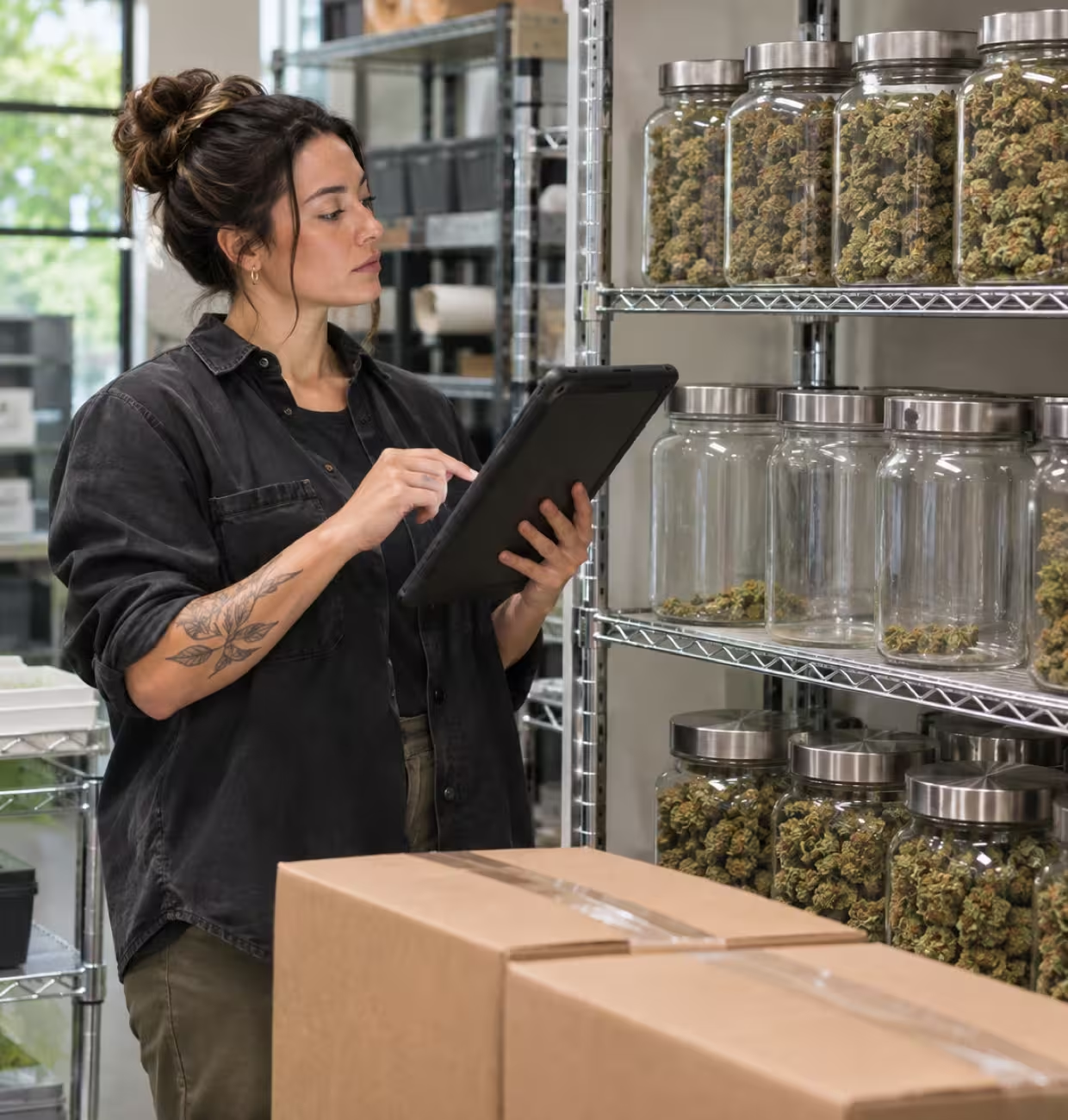
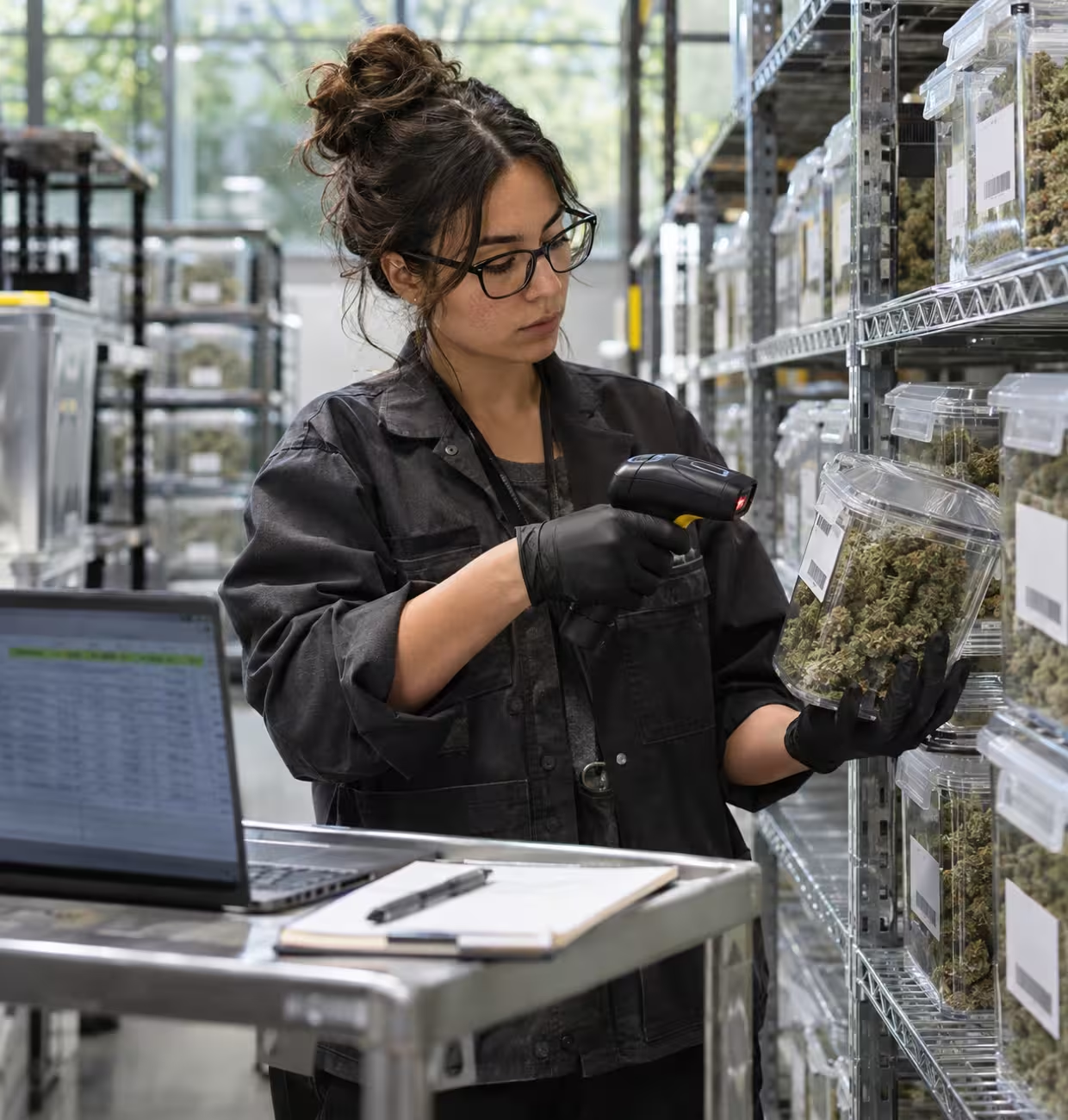
- Use the state-mandated track-and-trace system, Metrc, to monitor cannabis from seed to sale and maintain accurate, detailed, up-to-date records of all your operations.
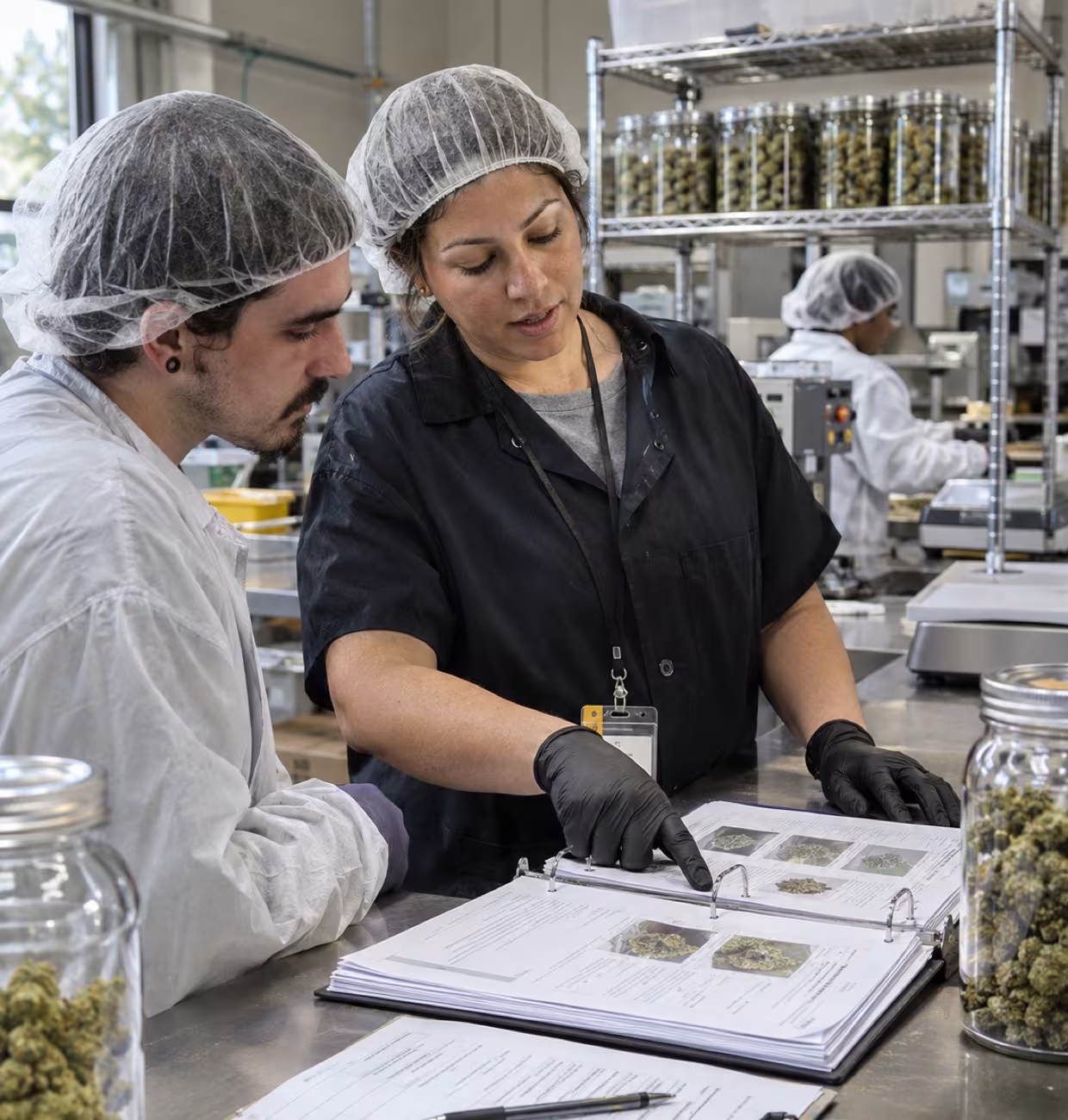
- Ensure your cannabis products are properly tested for quality and compliance to protect public health and safety.
- Hire employees and source (buy materials, products, and services) whenever possible from disadvantaged communities to meet SEE standards.
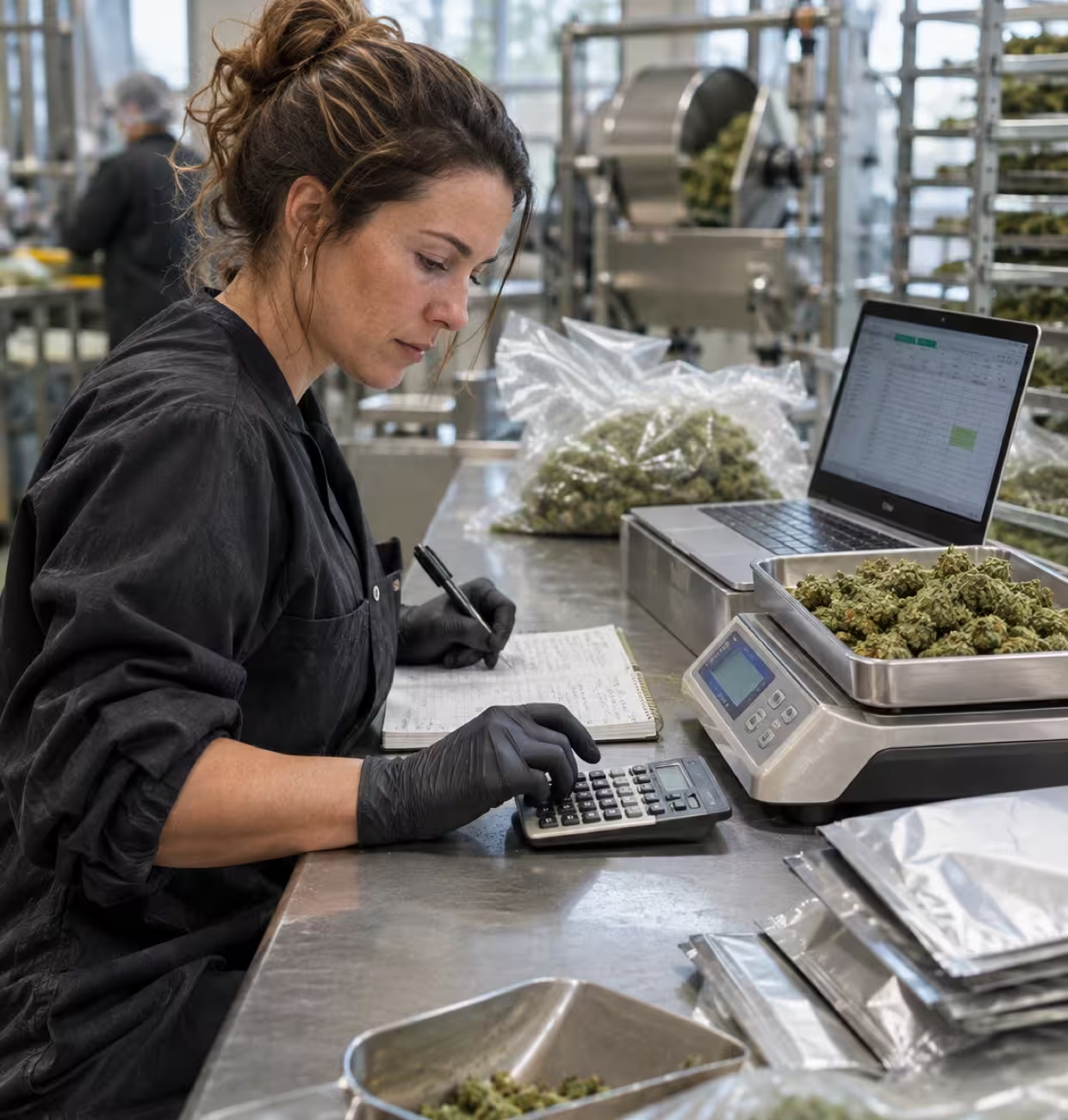
- Integrate your electronic inventory system with Metrc for real-time reporting and automated, compliant data transfer.
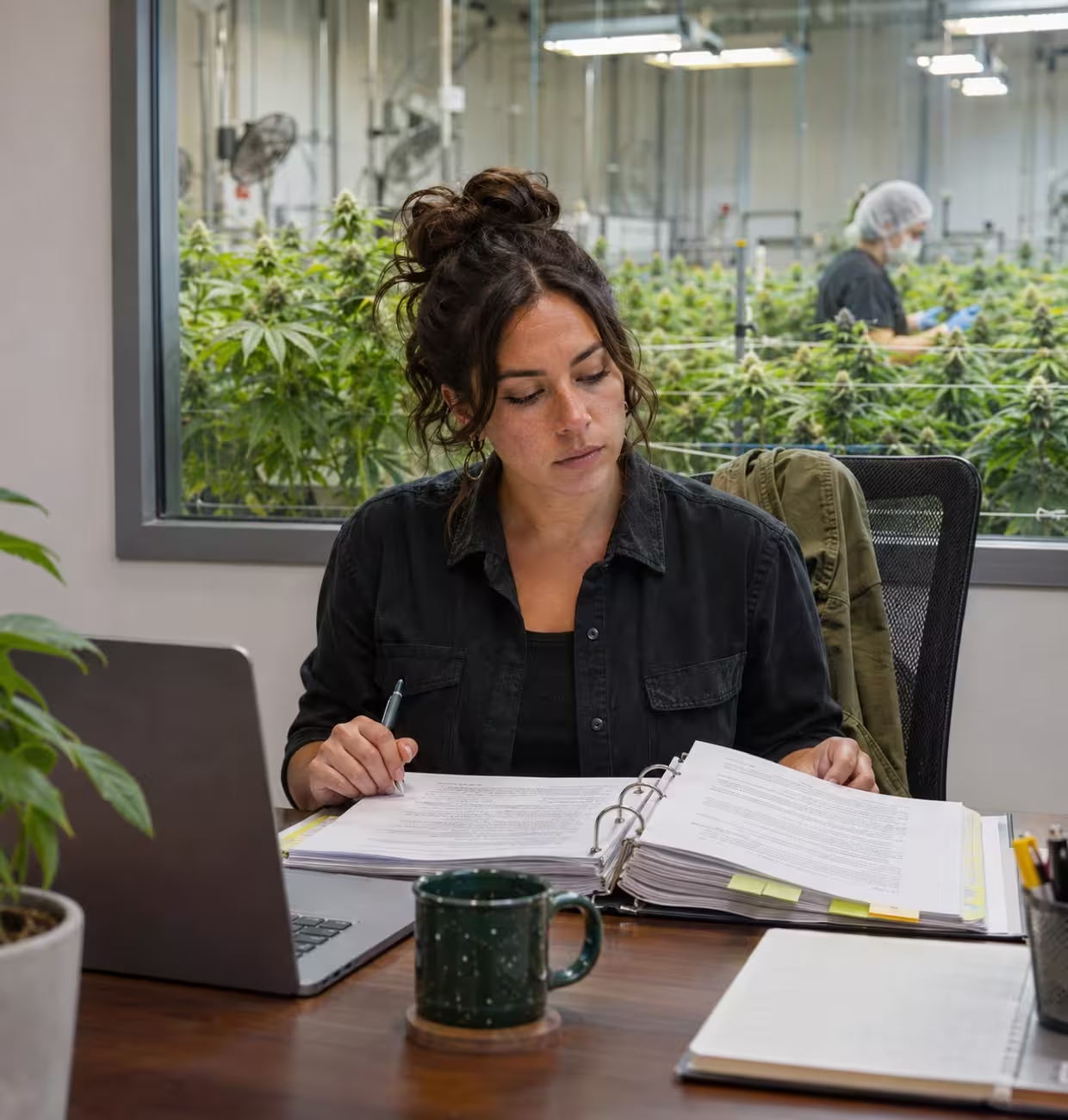
Compliance is key in the NY cannabis industry. As a microbusiness licensee, you must adhere to every regulation and meet the strictest standards to prevent violations that can lead to fines, license revocation, and other severe penalties.
Resources and Support
The success of your application for a NY cannabis microbusiness license will depend on how educated you are about the state's requirements, rules, and standards.
To find valuable information and learn more, check out the following sources:
- Adult-use Microbusiness License Overview
- Frequently Asked Questions about the General Licensing Application
- Adult-Use Application and Licensing Fee Schedules
- Marihuana Regulation and Taxation Act (MRTA) and other cannabis regulations
- New York State's True Party of Interest (TPI) Guidance
- Adult-use Social & Economic Equity Applicant Overview
- Determining Plant Canopy Guidance Document
- Frequently Asked Questions about Conditional Licensee Transition
- Distru's NY Microbusiness Guide
- New York City's Cannabis Microbusiness Guide
- The NYC Department of Buildings' Adult-Use Retail Dispensary Guide (contains valuable information about zoning requirements)
How Distru's ERP Software and B2B Platform Help NY Microbusinesses
Did you get your NY cannabis microbusiness license? If so, great! Now, you can leverage all the benefits of using Distru's products.
Distru, our cannabis ERP software, equips you with all the tools you need to manage your vertically integrated microbusiness on all fronts, including inventory tracking, manufacturing, reporting, labeling, sales, and more. Additionally, our solution smoothly integrates with New York's official track-and-trace system, Metrc, handling the transfer of all the required data so you don't have to!
DistruCommerce, our specialized cannabis B2B platform, is designed to empower the distribution side of your NY microbusiness. It serves as a compliant, commission-free channel where you fully control the wholesale experience. You can create custom menus your way, launch powerful promotions, offer flexible discounts, and connect directly with licensed buyers, all while smoothly managing your inventory.
Are you interested in integrating our ERP software or B2B platform into your business? Schedule a demo or get in touch with us today to see how we can simplify your entire seed-to-sale operation.
Final Thoughts
The New York cannabis microbusiness license offers an easier entry point into the state's competitive market while promoting fairness, equity, and inclusivity in this industry.
To qualify for this license, you have to complete several steps, ranging from collecting the necessary documentation to paying the required fees, but the most important thing is to educate yourself about cannabis-related regulations, application requirements, and other key aspects that can help you successfully go through this process.
Learn more about this license, the benefits and opportunities it offers, and your potential eligibility by checking out the OCM's educational resources and downloading our guide!