
Along Highway 40, near the border of Western Oklahoma, there is a series of billboards that, until very recently, advertised to travelers on their way through the state. There were ads for insurance companies and ambulance chasers and fast food at your next exit and repeated kitsch attempts to draw visitors off the highway with obscure, local attractions like the fourth oldest burning light bulb in the world found only in Mangum. It’s been burning since 1927, seriously, check it out.
Today those same billboards are now aimed at travelers who have set Oklahoma as their destination. A new kind of “sooner.” In 1889 the people came for land. In 2021, the people come for cannabis. Like tumbleweeds in an open prairie, patients & caregivers, entrepreneurs & businesses are rolling in from surrounding states.
Billboards left and right, pointing you in the direction of one of the 2,200 dispensaries servicing four million people. As of January 2021, only 723 dispensaries provide legal cannabis to California’s forty million residents. And our Okie friends haven’t yet opened their market to all adults over 21.
Blazing a trail across the belly of the US, Oklahoma is the green gateway to the South. With low license fees, no license caps, and relatively inexpensive labor and land costs, the state is intent on establishing the most business friendly market among those active in cannabis.
So- what can you expect if you’re looking at the state that is currently branding itself to cannabis interests as, “Open for Business”? We started a list to help you begin your due diligence.
Track & Trace in Ok

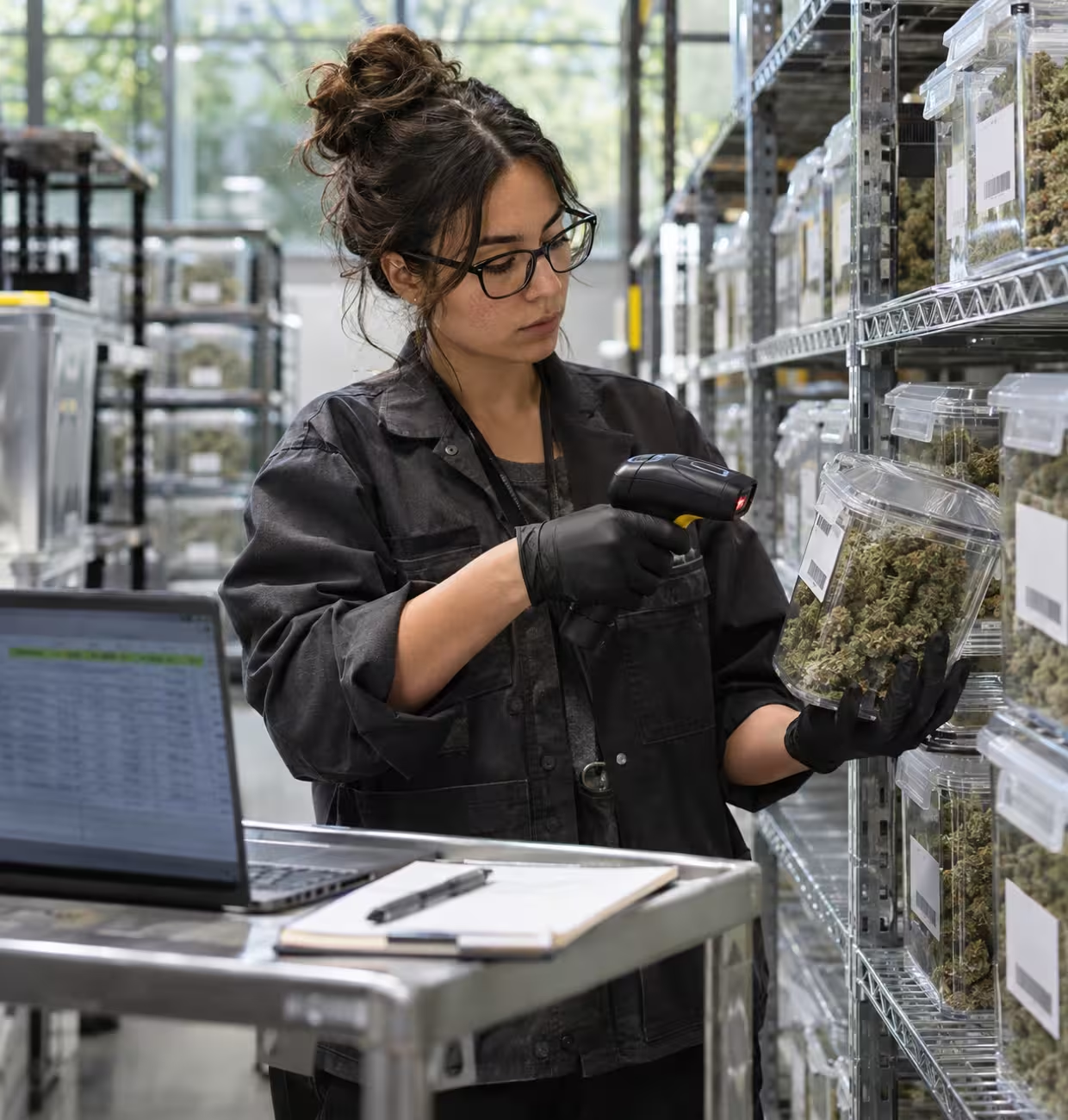
A key change since the initial regulations were released: seed-to-sale tracking. Inventory tracking systems have been in place since August 29, 2019 and since September 2020, Metrc has continued its domination as the “country’s leader in cannabis governance,” inking a deal with Oklahoma to become its first cannabis tracking system.
The requirement to implement Metrc was set to commence on April 30, 2021. The Florida-based software company was going to be mandated by the state to be used by all cannabis licensees in Oklahoma but, on April 30, 2021, “a judge ordered the 60-day suspension of a rule requiring medical cannabis businesses in the state to use the Metrc seed-to-sale tracking system that regulators had contracted for the service.”
A lawsuit was launched against the Metrc on April 16th in an effort to prevent what the suit refers to as “the creation of an unlawful monopoly.” “The suit by DR Z Leaf of Tulsa, which seeks class action status, questions whether the Oklahoma State Department of Health exceeded its legal authority in implementing a seed-to-sale program and requiring more than 10,000 MMJ licensees to pay for the program.”
Monitoring your cannabis inventory can be achieved through many 3rd-party systems that are often not only more user-friendly but will provide increased functionality and customer support. These constantly shifting regulatory and legislative policies are the norm in this industry, still very much in its infancy, and can leave even the most scrupulous of cannabis companies crumpled and heaped in the corner.
Beyond the standard business expenses encountered by every company, cannabis companies must consider hiring counsel for consulting, compliance management, and making sure each employee is fully aware of the regulatory responsibilities.
Compliance takes a village.
SEE ALSO: 7 METRC MISTAKES CANNABIS DISTRIBUTORS MAKE
PRO TIP: 3rd party services are readily available to you right now. It’s imperative that your inventory tracking system integrates efficiently with your state’s official track and trace program; in Oklahoma’s case that could still be, Metrc. Keep an eye on the 60-day delay that will push this requirement to at least Summer ‘21, pending the results of DR Z Leaf’s suit. Begin first with a 3rd party software, like Distru, and then look to Metrc. This workflow can help you grasp the ins and outs of monitoring your cannabis business and calm your compliance worries.
Start reviewing 3rd-party softwares and Metrc training videos now. Open up a couple additional tabs in your browser and search ‘Distru Learn Center’ and then go to the official Metrc channel on Youtube. Go ahead, we’ll wait for you…
...Now, watch all of Metrc’s videos. This is a solid place to start and will offer you at least a cursory overview of the program. Even though the requirement has been delayed for 60 days, it is still a good idea to familiarize yourself with Metrc.
Read through Distru’s complete Learn Center. Request a demo and remember, this is only the start. Research and study and then research and study some more. Track and Trace requirements should be known and understood by every employee so as to avoid forming habits that could be punishable by expensive fines.
WATCH: METRC MASTER SERIES: AN ADVANCED, NO-BULLSH*T GUIDE TO METRC
Residency Requirements

The percentage of annual population growth in Oklahoma has doubled since legalization of medicinal cannabis. Moving to the exact center of the country may not have been everyone’s sun-drenched idea of the cannabis industry, but the Sooner State has yielded tremendous gains from its young market and the potential to act as Midway Island to the rest of the South is too great to ignore.
“Total state and local tax collections from January through July 2020. As well as collections of the 7% excise tax outlined in State Question 788. Exceeded $80 million. The amount is already nearly 1.5 times the amount taken in on cannabis sales last year [2019].”
When considering Oklahoma though, one must be aware of the Residency Requirements. “Applicants shall provide sufficient documentation establishing either: (1) Oklahoma residency for at least two (2) years immediately preceding the application submission date; or (2) Five (5) years continuous Oklahoma residency during the twenty-five (25) years immediately preceding the application submission date.”
PRO TIP: If you’re window-shopping Oklahoma with your face up against the glass but unsure of how best to approach a move to the Heartland, look into existing cannabis licensees. If you and your company are unable to find a partner amongst 10,000 active licenses, maybe Oklahoma isn’t for you.
Relationship management and procurement is, of course, key in advancing your interests in any area and will provide your business with a fine head start. But in a smaller state like Oklahoma and an even smaller industry like cannabis, networking through the state must be on your executive checklist. Cannabis folks are fun, get out there.
Cannabis is here to stay nationwide so don’t let your chin down, there will be more and more opportunities to gander at and ponder on.
Low Taxes / Low Cost Labor & Land

A 7% tax rate is probably the main reason so many have turned their eye towards the center proper of the US, rather than the coasts which are commonly preferred by the typical cannabis opportunist.
That tax rate, coupled with Oklahoma’s low cost of living, presents a big opportunity. According to the state, there’s currently 10,587 active medical cannabis business licenses.
With that many active licenses, one concern may be oversaturation. But, the reason behind these inflated numbers relative to any other cannabis state is the laissez-faire way in which the state flipped its cannabis switch. For example, there remains no cap on licenses like those mandated in every municipality in California.
PRO TIP: Study the Oklahoma Regulations and compare them to Colorado, California, and New York law. Colorado being the first state to legalize, California the largest, and New York the newest. Only through thorough understanding of the building blocks of one’s own state can you hope to achieve recognition and success in cannabis.
RELATED: CAN I MANAGE MY BUSINESS WITH METRC AND SPREADSHEETS ALONE?
No Delivery Option
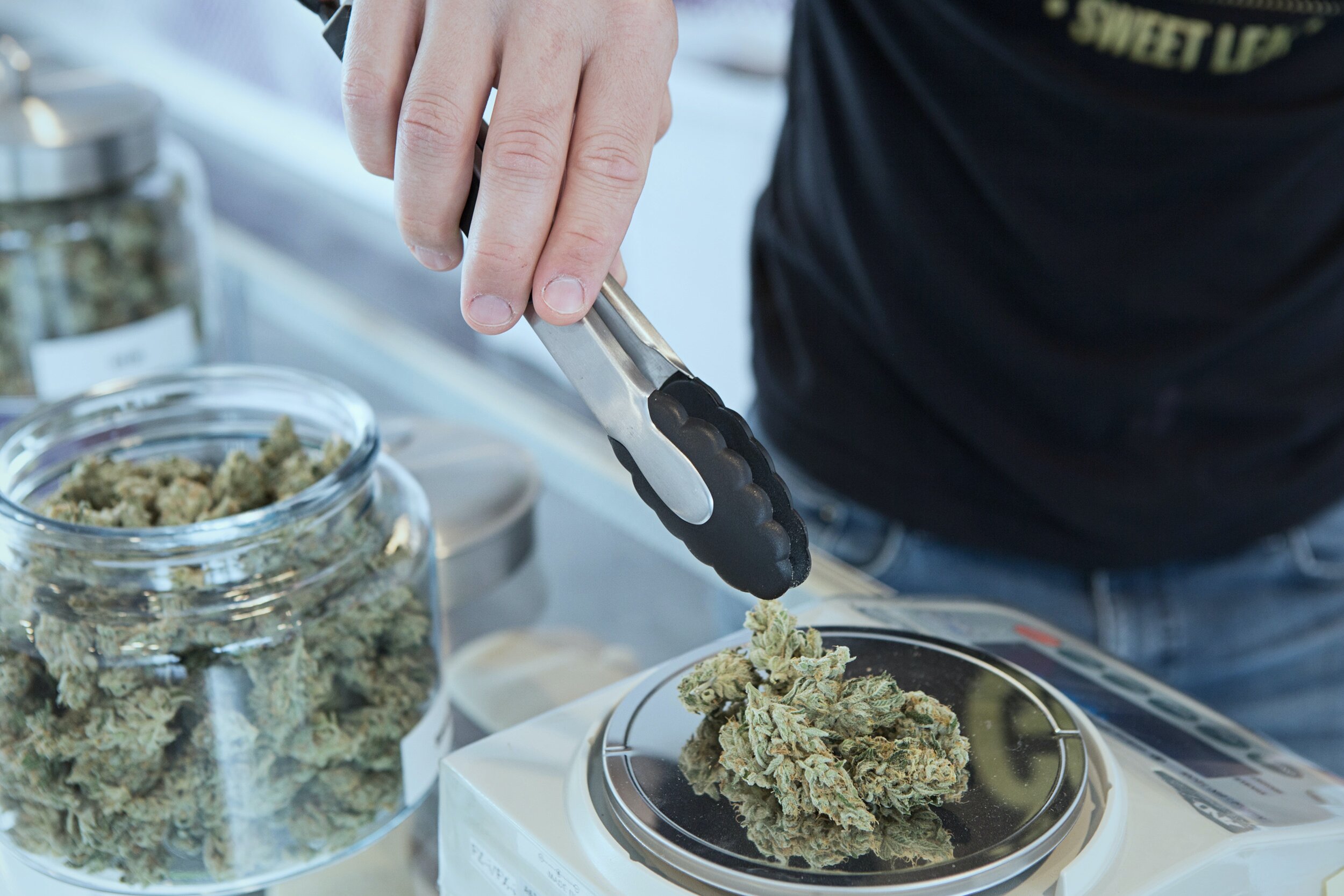
As of 2021, there is still no option to deliver product directly to customers, as found in several other states, most notably California. Delivery services there have become a standard offering of each storefront retail cannabis dispensary and is often polled as the preferred method of obtaining cannabis.
Hopefully, Oklahoma opts for the path California has cut instead of a plan reminiscent of Colorado’s, which only this year began allowing delivery in select cities despite legalizing in 2012.
PRO TIP: You can still have a very successful operation without delivery attached to your retail location. It’s just surprising that delivery is prohibited in a state that gave such a wide berth to the industry. What you can do is familiarize yourself with either option. Look to Colorado, who, only just last year, approved a select number of municipalities for delivery. “Colorado marijuana regulators last year [2020] started issuing medical marijuana delivery permits under a new state law, and six MMJ transport licenses have been awarded so far, according to state data as of Feb. 1. [2021]” Colorado awarded its first recreational delivery license just this year, with the company hoping to start delivering by March.
Look to California for the gold standard of retail services. The cannabis retail experience in California is one that combines the structure of a pharmacy and the vibes of a new popular restaurant with a youthful crowd bellied up to the bar. However as 2020 raged, more and more people heralded delivery as their go-to option when purchasing cannabis and dispensaries, thanks to the state’s help, were able to turn to delivery to save their businesses.
A Thought to End On
Given that this is a relatively new field, employing outside help to ensure employees understand the intricacies of the cannabis industry can mean the difference between paying a little at the start versus turning out your pockets down the road.
As cannabis strengthens its foothold in the mainstream consciousness, the Oklahoma mentality could prove to expedite acceptance in areas previously shuttered to anything remotely resembling the idea of presenting cannabis with a warm welcome into their communities.
Distru is a no-bullsh*t software solution for cannabis manufacturers and distributors. Consider us the central hub for your whole operation, from inventory management and order fulfillment to sales and distribution, all while keeping you compliant with Metrc. Ditch the spreadsheets, keep your teams aligned (pro tip: accountants love us) and focus on growing your market share.